Look, I’ve been through it all when it comes to diet plans. Low-carb, high-fat, no-fat, juice cleanses — you name it, I probably tried it. Most of them left me feeling deprived, exhausted, and frankly, a bit resentful towards my kitchen. What I’ve learned through years of experimenting, and finally sticking to something that actually works, is that the best healthy diet plan for women isn’t about deprivation; it’s about smart, sustainable choices that support your unique body.
Why Most "Diet Plans" Fail Women (And What Actually Works)
I’m going to be blunt: most generic diet advice is a disaster for women. It ignores our hormonal fluctuations, our unique metabolic needs, and the sheer mental load we often carry. I wasted years following plans designed by men, for men, and wondering why I felt so awful. It’s not just about calories in, calories out; that’s a gross oversimplification.
The Calorie Restriction Trap
The biggest mistake I ever made was obsessively counting calories and drastically cutting them. I’d see guys drop weight fast doing 1800 calories a day, so I’d try to match it. Big mistake. For most active women, consistently eating below 2000-2200 calories can slow metabolism, disrupt hormones like estrogen and progesterone, and lead to nutrient deficiencies. Think about it: our bodies are designed for reproduction, which is a massive energy drain. If you’re not fueling properly, your body goes into "survival mode," holding onto fat and making you feel perpetually tired and hungry. I learned this the hard way, constantly battling fatigue and hair loss when I was stuck in a chronic deficit. Don’t buy into the idea that less is always more when it comes to calories; it often backfires spectacularly for women.
Hormones Aren’t a Myth
This is where so many plans miss the mark. Our hormones dictate so much: energy levels, mood, sleep, and even where our bodies store fat. Trying to force your body into a state of constant deficit or extreme macros without considering your cycle is like trying to drive a car with no oil. You’ll break down. I’ve found that focusing on balanced macronutrients – good quality proteins, complex carbs, and healthy fats – along with adequate micronutrients, supports hormonal health better than any restrictive diet ever could. For example, ensuring enough healthy fats (think avocado, olive oil, nuts) is crucial for hormone production, something I completely overlooked in my low-fat diet days. Listen to your body, especially during different phases of your menstrual cycle; your needs will shift, and that’s totally normal.
My Experience with Fad Diets
I dove headfirst into everything from keto to intermittent fasting for years. Keto made me feel sluggish and irritable after the initial "high," and my digestion was a mess. Intermittent fasting, while popular, often left me feeling ravenous and overeating later, which completely defeated the purpose. For me, the stress of the fasting window combined with the hormonal fluctuations I already experience just wasn’t sustainable. I’m not saying these don’t work for anyone, but for *my* body and many other women I know, they were often more stressful than beneficial. They promised quick fixes but delivered chronic frustration. My advice? Don’t buy into the hype if it leaves you feeling worse. Your well-being is worth more than chasing a trend.
My Go-To Plate for Daily Nutrition: The "Balanced Bowl" Breakdown

After years of trial and error, I’ve landed on a simple, effective framework for my meals: the "Balanced Bowl." It’s not a rigid diet; it’s a template that ensures I get a wide range of nutrients without feeling restricted. This is what I aim for at most main meals, especially lunch and dinner. It’s surprisingly flexible, keeps me full, and tastes great.
- Half your plate: Non-starchy vegetables. This is your volume and nutrient powerhouse. Think spinach, kale, broccoli, bell peppers, zucchini, green beans. I load up on these. They’re low in calories, high in fiber, and packed with vitamins and antioxidants. I aim for at least 2-3 different types in each meal.
- A quarter of your plate: Lean protein. Essential for satiety, muscle maintenance, and hormonal health. I rotate through grilled chicken breast, baked salmon (aim for 2-3 times a week for those omega-3s), lean ground turkey, lentils, chickpeas, or organic tofu. A typical serving is about 4-6 ounces (the size of your palm).
- A quarter of your plate: Complex carbohydrates. This is your sustained energy source. Forget refined carbs. I stick to quinoa, brown rice, farro, sweet potatoes, oats, or whole-grain pasta. About half a cup cooked is usually enough for me. These provide fiber and steady blood sugar, unlike the rapid spikes from white bread or sugary cereals.
- Healthy fats: Don’t forget them! A crucial component often overlooked. I add a tablespoon of olive oil for cooking or dressing, a quarter of an avocado, a small handful of almonds, or a sprinkle of chia seeds. These are vital for hormone production, nutrient absorption, and keeping you feeling satisfied.
Protein Priorities
Getting enough protein is non-negotiable for women. I aim for at least 20-30 grams per meal. This helps with muscle synthesis, keeps me full for hours, and blunts cravings. Beyond the main meal, I often snack on Greek yogurt (Chobani is a solid choice), cottage cheese, or a handful of roasted edamame if I need an extra boost. Prioritize variety, though; different protein sources offer different amino acid profiles.
Smart Carb Choices
The type of carbohydrate matters immensely. I learned that quickly. Swapping out white rice for brown rice or quinoa made a huge difference in my energy levels and prevented the dreaded post-meal slump. I also ensure I’m getting plenty of fiber-rich carbs from sources like berries, apples, and beans, which are fantastic for gut health. Your gut plays a massive role in overall health and hormone balance, so feeding it well is key.
Healthy Fats are Essential
I used to be terrified of fat, thanks to the low-fat craze of the 90s. Now, I embrace it. Healthy fats are absolutely critical for women’s health – think hormonal regulation, glowing skin, and brain function. Extra virgin olive oil, avocados, nuts (walnuts, almonds), seeds (flax, chia, hemp), and fatty fish like salmon or mackerel are staples in my kitchen. A small amount goes a long way. I usually add a thumb-sized portion to each meal.
Navigating Supplements: What I Actually Use vs. Wasted Money
The supplement aisle is a minefield. So many products promise the moon, but most are just expensive pee. I’ve bought countless bottles of things that did absolutely nothing. My advice? Stick to the basics, get quality, and consult your doctor before anything new. Here’s a quick rundown of what I actually found useful and what I generally skip.
| Supplement Type | What I Use/Recommend | Why | What I Skip (Most of the Time) |
|---|---|---|---|
| Vitamin D3 | Thorne Research D-5000 (5000 IU daily) | Crucial for immune function, bone health, and mood. Many women are deficient, especially in northern climates. | High-dose multi-vitamins (unless specifically recommended by a doctor) |
| Magnesium | NOW Foods Magnesium Citrate (200-400mg daily) | Helps with sleep, muscle relaxation, stress reduction, and can alleviate PMS symptoms. Excellent for unwinding. | "Fat Burner" or "Detox" pills |
| Omega-3s | Nordic Naturals Ultimate Omega (2-3g EPA/DHA daily) | Anti-inflammatory, great for brain health, joint health, and can support hormonal balance. | Biotin for hair/nails (often not effective unless you have a true deficiency) |
| Probiotics | Seeking Health ProBiota HistaminX (or similar high-quality strain) | Supports gut health, which impacts everything from digestion to mood and immunity. Look for varied strains. | Any "miracle" weight loss supplement |
| Iron | Thorne Research Iron Bisglycinate (as needed, with doctor’s guidance) | Many women are anemic, especially during reproductive years. Essential for energy. Get blood tested first. | Collagen peptides (can get similar benefits from quality protein in diet) |
Must-Have Micronutrients
These are the non-negotiables. Vitamin D3, especially if you live somewhere with limited sun, is a game changer for mood and energy. Magnesium, particularly citrate or glycinate, has seriously improved my sleep and reduced muscle cramps. And good quality omega-3s? They’re just smart for overall health. Don’t cheap out on these; quality matters for absorption.
Skip These (Most of the Time)
I’ve wasted so much money on things like "detox" teas, biotin supplements for hair (unless you have a true deficiency, it’s mostly hype), and anything promising a "metabolism boost." Your liver and kidneys do an excellent job of detoxing, and real metabolism boosts come from resistance training and adequate protein, not a pill. Save your money for good food.
Meal Timing Matters: My Strategy for Energy and Hormonal Balance
This is where I diverge from a lot of popular advice. I’ve found that eating consistently throughout the day, rather than restricting to tiny windows, keeps my energy stable and supports my hormones. I prioritize a substantial breakfast within an hour or two of waking, a solid lunch, and a moderate dinner, with a couple of small, protein-rich snacks if hunger strikes. This prevents me from getting ravenous and making poor choices later in the day. It also keeps my blood sugar levels steady, which is crucial for managing cravings and overall energy.
Common Mistakes Women Make (And How I Learned to Avoid Them)
I’ve made every one of these mistakes, often repeatedly. Learning to recognize and correct them has been a huge part of my journey to finding a truly healthy diet plan.
"Am I Eating Enough?"
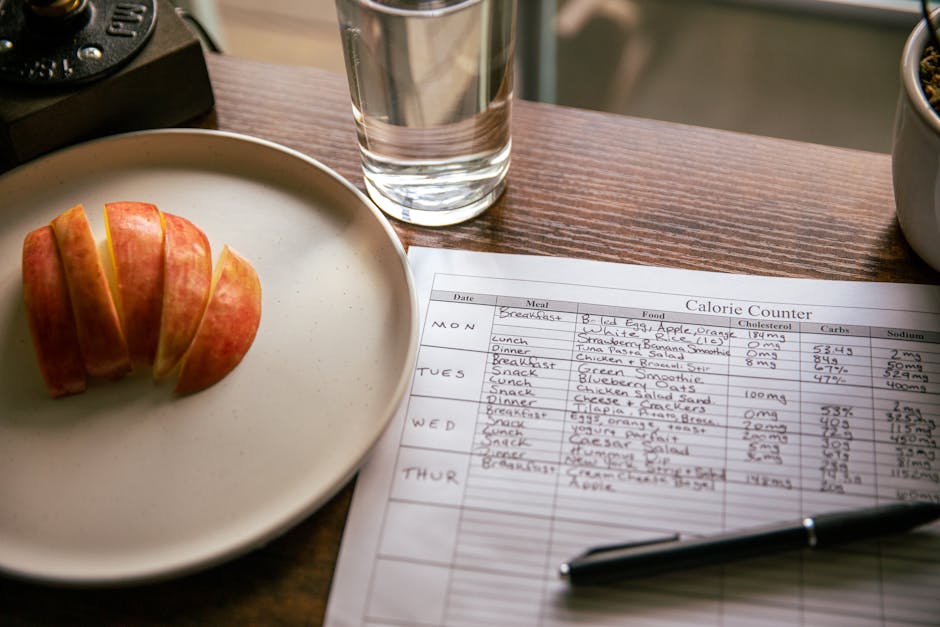
This is the most common question I hear, and often, the answer is no. Women frequently under-eat, especially protein and healthy fats. This leads to constant hunger, low energy, and metabolic slowdown. My advice? Track your food for a few days without judgment. You might be surprised. If you’re consistently feeling low on energy, tired, or having trouble recovering from workouts, chances are you need more fuel, not less. Aim for a good 1.6-2.2g of protein per kg of body weight, and don’t skimp on quality fats.
"How Do I Handle Cravings?"
Cravings are often a sign of three things: nutrient deficiency, dehydration, or emotional eating. First, check your water intake. Are you drinking enough? Second, ensure your main meals are balanced with protein, fiber, and healthy fats. Often, a craving for something sweet disappears after a filling, nutritious meal. If it’s emotional, that’s a different beast. I’ve found that instead of immediately reaching for comfort food, a 10-minute walk, a cup of herbal tea, or calling a friend helps immensely. Also, don’t be afraid to occasionally indulge in a small, mindful portion of what you truly crave; complete restriction often backfires.
"Why Isn’t the Scale Moving?"
Oh, the scale. It used to be my arch-nemesis. First, understand that weight fluctuates daily due to water retention, hormones, and digestion. It’s not always a true reflection of fat loss. Are you also doing resistance training? Building muscle can increase your body weight while simultaneously making you look leaner and improving your metabolism. Focus on how your clothes fit, your energy levels, and your overall well-being. If you’re consistently feeling better, stronger, and your clothes are looser, who cares what that number says? I stopped weighing myself daily years ago and it was incredibly liberating.
The Long Game: Sustainable Habits Over Quick Fixes
The biggest takeaway from my journey? Consistency beats intensity every single time. There’s no magic pill or one-week detox that will give you lasting health. It’s about building habits you can stick with, day in and day out, for the rest of your life. This isn’t just about food, either; it’s about a holistic approach to your well-being.
Exercise: It’s Not Just About Cardio
I used to think hours of cardio were the answer. Wrong. For women, especially as we age, resistance training is . Lifting weights builds muscle, which boosts your metabolism, strengthens bones, and helps with hormonal balance. I aim for 3-4 strength training sessions a week, focusing on compound movements like squats, deadlifts, presses, and rows. Cardio is still good for heart health, but it’s not the sole focus. A brisk 30-minute walk daily is often more beneficial for stress reduction than punishing yourself on a treadmill for an hour.
Sleep and Stress: The Unsung Heroes
You can eat perfectly and train like a beast, but if your sleep is crap and you’re constantly stressed, your body will fight you. Chronic stress elevates cortisol, which can lead to belly fat storage and disrupt other hormones. I learned the hard way that sleep deprivation makes me crave sugar and sabotages my willpower. I prioritize 7-9 hours of sleep nightly. Simple stress-reduction techniques like meditation, deep breathing, or even just 10 minutes of quiet time can make a world of difference. Don’t underestimate these factors; they are as crucial as your food choices.
Mindful Eating Practices
Eating isn’t just about fueling your body; it’s an experience. I used to rush through meals, barely tasting anything. Now, I slow down. I put my fork down between bites, chew thoroughly, and pay attention to my body’s hunger and fullness cues. This simple practice has transformed my relationship with food. It helps with digestion, prevents overeating, and allows me to truly enjoy my meals without guilt. No screens, no distractions; just you and your food.
My Non-Negotiable Daily Routine (Simplified)
This isn’t fancy, it’s just what works for me to stay on track without feeling overwhelmed. I’ve found that having a few consistent anchors in my day makes everything else fall into place.
- Morning Must-Dos: Wake up at the same time every day, even weekends. Drink a large glass of water (about 16oz) immediately upon waking. I then make a protein-rich breakfast, usually eggs with spinach and whole-grain toast, or Greek yogurt with berries and nuts.
- Evening Wind-Down: I stop eating about 2-3 hours before bed. This gives my body time to digest. I dim the lights, avoid screens for at least an hour before sleep, and often read a book or do some light stretching. A warm cup of chamomile tea is a favorite.
- Hydration Hacks: I keep a 32oz water bottle with me all day and aim to refill it at least twice. If I get bored of plain water, I add lemon, cucumber, or mint. Staying hydrated is key for energy, digestion, and avoiding false hunger signals.
- Movement: Even on rest days, I make sure to get some form of movement. A 30-minute walk outside, gentle yoga, or stretching. It keeps my body feeling good and helps clear my head.
The single most important takeaway? Focus on consistency, listen to your body, and ditch the idea of perfection for sustainable progress.