Birth takes a physical toll that most nutrition guides understate. You’ve lost blood, stretched or torn tissue, and — if you’re breastfeeding — your body will redirect roughly 300 to 500 calories daily away from your own repair and toward milk production. The generic “eat balanced meals” advice doesn’t account for any of that.
This guide breaks down exactly what postpartum nutrition requires, what the common mistakes are, and what a realistic 3-day meal plan actually looks like for a recovering mother.
What Actually Happens to Your Body in the Weeks After Birth
The postpartum period — medically defined as the first 12 weeks after delivery — involves several simultaneous recovery processes. Most new mothers are only aware of one or two.
Iron Loss and Anemia Risk
Average blood loss during vaginal delivery is 300–500 ml. A cesarean section typically causes 750–1,000 ml. That’s a significant iron drain. Ferritin levels (stored iron) often drop sharply in the first weeks postpartum, leading to fatigue that gets misattributed entirely to sleep deprivation. The two overlap and compound each other.
Rebuilding iron stores through food takes time. Red meat, dark leafy greens, lentils, and fortified cereals are the fastest dietary routes. Pairing iron-rich foods with vitamin C — spinach salad with lemon dressing, lentils with tomatoes — increases absorption significantly. Avoid coffee or black tea within an hour of an iron-rich meal. The tannins block uptake.
Tissue Repair and Protein Demand
Whether you had a perineal tear, an episiotomy, or a c-section, your body is actively repairing tissue for 4 to 6 weeks. Protein is the raw material for that repair. The standard adult recommendation is 0.8g per kilogram of body weight daily. Postpartum, that number should be closer to 1.2–1.5g/kg — higher still if breastfeeding. A 70kg woman needs roughly 84–105g of protein daily just to support healing, before milk production is factored in.
Gut Motility and Digestive Slowdown
Constipation is extremely common after delivery. Partly hormonal — progesterone relaxes the bowels. Partly because iron supplementation slows motility. And partly because many women avoid straining due to soreness.
Fiber, hydration, and gentle movement are the main levers. Prunes, flaxseed, and psyllium husk are genuinely effective. This isn’t a minor inconvenience — severe constipation puts pressure on healing stitches and can cause real setbacks in recovery.
The Nutrients That Matter Most in the First 12 Weeks
Instead of running through every vitamin alphabetically, here’s what the research consistently flags as most critical in the postpartum window — with daily targets and food sources that actually deliver.
| Nutrient | Why It Matters Postpartum | Daily Target | Best Food Sources |
|---|---|---|---|
| Iron | Replaces blood loss, fights fatigue | 9–27 mg (higher if anemic or breastfeeding) | Beef, liver, lentils, fortified oats, pumpkin seeds |
| Protein | Tissue repair and milk production | 1.2–1.5g per kg body weight | Eggs, chicken, Greek yogurt, tofu, legumes |
| Omega-3 DHA | Reduces postpartum depression risk, infant brain health | 200–300 mg DHA minimum | Salmon, sardines, walnuts, flaxseed oil |
| Calcium | Breastfeeding draws calcium directly from bones | 1,000 mg | Dairy, fortified plant milks, bok choy, almonds |
| Vitamin D | Mood regulation, calcium absorption, immune function | 600–2,000 IU | Fatty fish, egg yolks, fortified milk, sunlight |
| Choline | Passed through breast milk for infant brain development | 550 mg | Eggs (2 eggs = ~250 mg), beef liver, salmon |
| Iodine | Thyroid function and infant neurodevelopment via milk | 290 mcg (breastfeeding) | Seafood, dairy, iodized salt, seaweed |
| Folate | Cell regeneration, especially in first 6 weeks | 500 mcg (breastfeeding) | Dark leafy greens, beans, fortified grains |
Most postpartum women are deficient in at least three of these. Iron and vitamin D are the most commonly flagged in blood tests taken at the standard 6-week checkup.
Foods to Build Your Postpartum Plate Around
Nutrient targets are useful reference points, but translating them into actual eating requires a practical framework. Here’s a tiered approach — not a rigid meal plan, just a hierarchy of priorities.
Tier 1 — Daily Non-Negotiables
- Eggs (2–3 per day): One of the most nutrient-dense foods available. High in choline, protein, vitamin D, and B12. Scrambled, boiled, or poached — the preparation doesn’t matter. Two eggs deliver roughly 250mg of choline, almost half the daily target.
- Dark leafy greens (at least one serving): Spinach, kale, or bok choy. Folate, iron, calcium, and magnesium in one package. Cooked spinach actually delivers more usable iron per gram than raw, because heat breaks down oxalates that otherwise inhibit absorption.
- Whole grains: Oats, brown rice, quinoa, or whole wheat bread. Sustained energy without blood sugar spikes. Oats specifically may support milk supply, though that evidence remains modest.
- Legumes: Lentils, chickpeas, black beans. High protein, high fiber, solid iron content. Cheap and easy to batch cook. A single cup of cooked lentils delivers 6.6mg of iron and 18g of protein.
- Fatty fish (2–3 servings per week minimum): Wild-caught Atlantic salmon, sardines, or mackerel for DHA. 100g of salmon contains roughly 1,800 mg of omega-3s — well above the daily postpartum minimum in a single serving.
- Water (2.5–3L per day if breastfeeding): Breast milk is 87% water. Dehydration directly affects supply and your own energy levels. Keep a large bottle within reach at every feeding spot in the house.
Tier 2 — Weekly Targets Worth Scheduling
- Liver or organ meat once weekly — the highest iron and choline density of any food by volume. A 60g portion of chicken liver delivers 10mg of iron and 225mg of choline in one sitting.
- Nuts and seeds daily as snacks: walnuts (omega-3), pumpkin seeds (zinc and iron), almonds (calcium). A 30g handful covers meaningful nutritional ground.
- Fermented foods: Plain Greek yogurt, kefir, or kimchi support gut health and immune function. Choose full-fat plain yogurt over flavored — flavored varieties often carry 15–20g of added sugar per serving, which displaces actual nutritional value.
Breastfeeding Changes Your Calorie Needs — Here Is the Math
How Much Extra You Actually Need
Breastfeeding adds roughly 400–500 calories per day to your baseline metabolic needs. For a moderately active 70kg woman, that comes to approximately 2,200–2,400 calories daily. Not 1,200. Not 1,500. Cutting below 1,800 calories while breastfeeding visibly affects milk volume within days.
Some women assume they should capitalize on breastfeeding’s calorie burn to accelerate weight loss. That’s not an unreasonable long-term goal. But a 500+ calorie daily deficit in the first 8 weeks undermines milk supply, delays tissue healing, and depletes nutrient stores that were already strained during pregnancy. The math doesn’t work in your favor short-term.
What to Limit — Not Eliminate
- Caffeine: Up to 300mg daily is considered safe. That’s roughly 2 standard cups of coffee. Above that, caffeine can cause infant irritability and disrupted sleep.
- Alcohol: The standard guidance is to wait 2 hours per standard drink before nursing, allowing clearance time.
- High-mercury fish: Shark, swordfish, king mackerel, and tilefish should be limited to one serving or less per month. Salmon, sardines, and shrimp are safe at normal frequencies.
- Ultra-processed foods: Not banned, but they crowd out nutrient-dense calories. A bag of chips fills your calorie count without delivering iron, choline, or DHA.
The verdict for breastfeeding mothers: Eat more than you think you need, prioritize protein and omega-3s, and delay aggressive weight-loss efforts until at least 3 months postpartum.
The Diet Mistakes That Slow Postpartum Recovery
Is It Safe to Diet for Weight Loss Right After Delivery?
No — not in the first 6 to 8 weeks, and not aggressively for at least 12 weeks. Your body needs caloric maintenance (or a slight surplus if breastfeeding) to close surgical wounds, rebuild blood volume, and produce milk. A controlled deficit of 200–300 calories after 12 weeks is reasonable and won’t compromise milk quality — but anything more aggressive than that is premature and counterproductive.
Do Postnatal Supplements Actually Help?
Yes — for most women, continuing a prenatal or switching to a dedicated postnatal supplement makes a real difference. Diet rarely closes all the gaps, especially for DHA, vitamin D, and iodine. Three specific products worth knowing:
Nordic Naturals Postnatal Omega-3 provides 450mg DHA per 2-capsule serving — one of the higher DHA concentrations in a fish oil specifically formulated for postpartum women. If you eat fatty fish fewer than twice a week, this fills a genuine nutritional gap.
Garden of Life mykind Organics Postnatal Multi is certified organic, whole-food-derived, and includes iodine (150mcg), choline (55mg), and B12 in methylcobalamin form — more bioavailable than the cyanocobalamin found in cheaper multivitamins. Its iron content is low (2mg per serving), so it’s not appropriate as a standalone solution for women with anemia.
MegaFood Baby & Me 2 Postnatal includes 27mg of iron per dose, making it a better fit for women who experienced significant blood loss or have confirmed low ferritin. One caution: the iron load can worsen constipation in some women. Increase fiber and water intake when using it.
What no supplement replaces: total protein, calories, hydration, and sleep. None of those come in a capsule.
Are There Foods That Harm Milk Quality?
This concern is heavily overstated in traditional postpartum advice. Garlic, cabbage, dairy, and spicy food are frequently blamed for gassy or fussy infants — but the evidence for most of these links is weak. Every baby responds differently. If you notice a consistent pattern (your baby reliably fusses after you eat a specific food), eliminating it is a reasonable experiment. But preemptively cutting entire food groups removes valuable nutrients without a clear benefit.
A 3-Day Postpartum Meal Plan
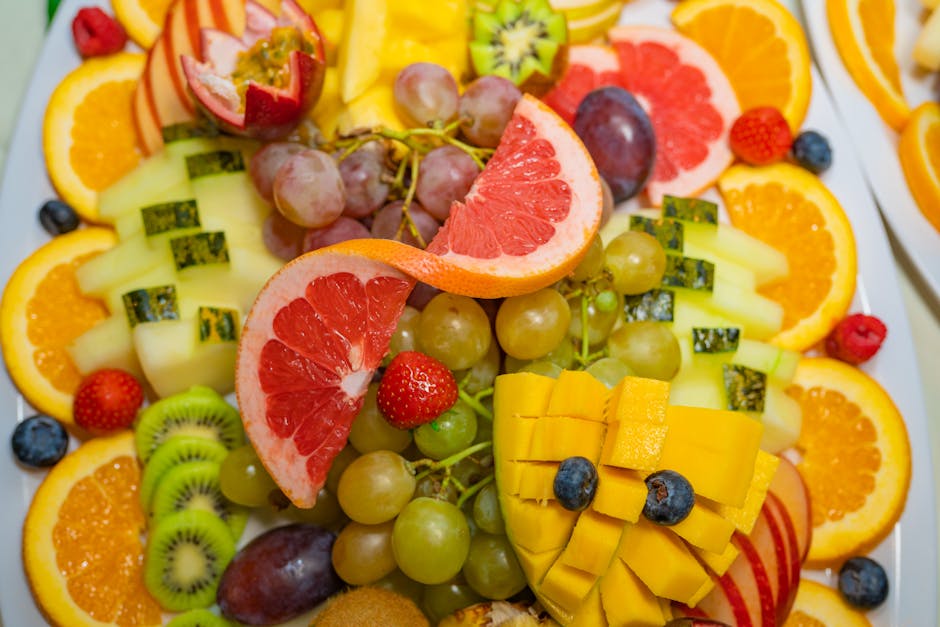
This plan targets approximately 2,200–2,400 calories daily, appropriate for a breastfeeding mother in the first 12 weeks. Non-breastfeeding mothers can reduce by one snack and modestly scale down portions.
| Day | Breakfast | Lunch | Dinner | Snacks |
|---|---|---|---|---|
| Day 1 | Oatmeal with walnuts, flaxseed, banana, and whole milk | Lentil soup with whole grain bread and spinach salad (lemon dressing) | Baked salmon (150g), quinoa, roasted broccoli | 2 hard-boiled eggs; Greek yogurt with blueberries |
| Day 2 | 3-egg scramble with bok choy and whole wheat toast | Chicken and chickpea rice bowl with avocado | Beef stir-fry with bell peppers and brown rice | Almonds (30g); full-fat plain yogurt with apple slices |
| Day 3 | Whole-milk kefir smoothie with spinach, banana, and peanut butter | Sardines on whole grain crackers with tomato and cucumber | Chicken liver (60g) with mashed sweet potato and sautéed kale | Pumpkin seeds (30g); cheese and fruit; one square dark chocolate |
Each day delivers 90–110g of protein, 25–35g of fiber, and meaningful DHA from fish or seeds. The Day 3 dinner hits 10mg of iron in a single serving. Rotate similar patterns rather than following these days rigidly — the goal is nutrient coverage, not precision tracking.
When Diet Alone Is Not Enough
If fatigue persists past 8 weeks, hair loss goes well beyond the normal postpartum shed, or mood symptoms don’t lift, a blood panel is more useful than any dietary adjustment. Ferritin, vitamin D, TSH (thyroid), and B12 are the four most commonly implicated deficiencies — all correctable once identified. No meal plan fixes a ferritin level of 4 ng/mL or a vitamin D reading of 12 ng/mL. Food gets you most of the way. Lab work tells you where the gaps are that food cannot close.
Medical Disclaimer: This content is for informational purposes only and does not constitute medical advice. Always consult a qualified healthcare professional before making health-related decisions.