You crawl into bed at 10:30 PM. You wake up at 7:00 AM. That’s 8.5 hours. You should feel great.
You don’t. You feel like you’ve been awake for three days straight. Your brain is foggy. Your eyes are dry. You’d trade your left arm for one more hour.
Here’s the uncomfortable truth: the room you sleep in is probably working against you. Light leaks, temperature swings, stale air, a mattress that’s 12 years old, and random noise are all stealing your REM sleep. Not your total sleep time — your deep, restorative REM sleep.
This article walks through five specific, measurable changes you can make to your bedroom tonight. No vague advice. No “try relaxing before bed.” Real fixes with real numbers.
1. Light: The Silent REM Thief
Your brain evolved to sleep in complete darkness. Your bedroom in 2026 is full of tiny glowing lights, streetlight bleeding through curtains, and a phone charging on your nightstand.
Even 5 lux of light during sleep can reduce melatonin production by 50%. That directly cuts your REM time. You don’t need to see the light for it to affect you — your skin detects it.
What to fix tonight
Start with the three biggest offenders:
- Blackout curtains — Get curtains rated for 99% blackout. The NICETOWN 100% Blackout Curtains ($32 for a pair, 52×63 inches) block almost all streetlight. Test them by closing them during the day — if you can see your hand in front of your face, they’re not good enough.
- Cover every LED — That blue light from your smoke detector, cable box, or laptop charger? It matters. Use LightDims Black-Out Edition ($10 for 50 sheets) to cover every tiny light in your room. They’re thin black stickers that kill the glow completely.
- Phone in another room — Your phone emits light even face-down. Put it in the kitchen or a drawer. If you need an alarm, buy a Sharp Digital Alarm Clock with large display ($18). It has a dimmer switch.
One more thing: red light before bed. The Himalayan Glow Salt Lamp ($25) emits warm red light that doesn’t suppress melatonin. Use it for the hour before sleep instead of overhead lights.
Verdict: Blackout curtains + covering all LEDs + moving your phone out of the bedroom is the single highest-impact change you can make. Do this first. It costs under $50 and takes 30 minutes.
2. Temperature: The 65-Degree Rule
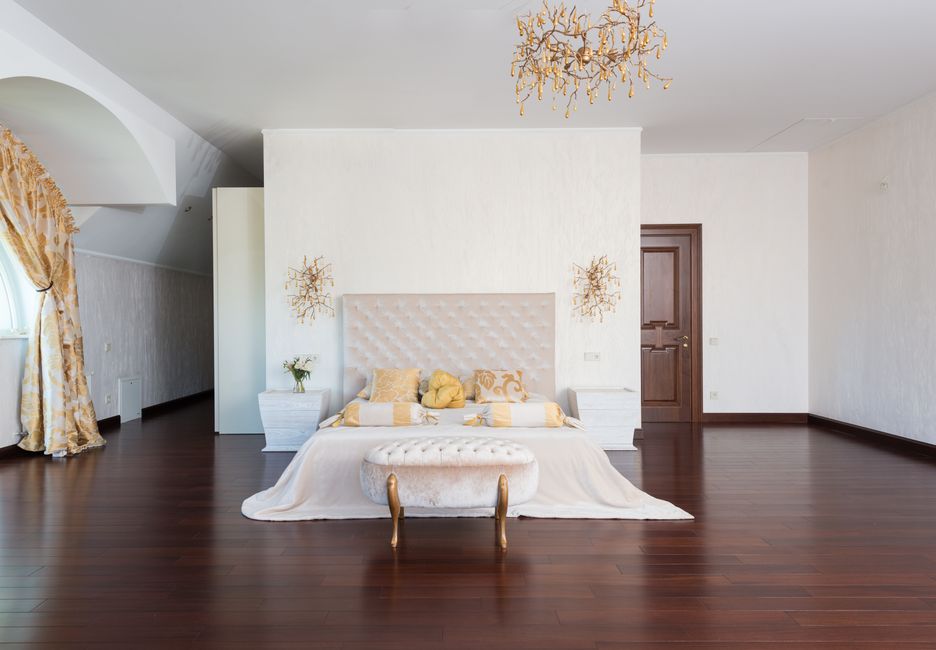
Your body needs to drop its core temperature by about 1 degree Fahrenheit to fall asleep and enter REM. If your room is too warm, your body can’t cool down, and your sleep stays shallow.
The ideal bedroom temperature for REM sleep is 65°F (18°C). Not 72°F. Not 68°F. 65°F. Studies from the National Sleep Foundation confirm this number.
How to hit 65°F without freezing
| Solution | Cost | Effectiveness | Notes |
|---|---|---|---|
| Thermostat set to 65°F at bedtime | $0 | Best if you have central AC | Set a schedule in your thermostat app |
| Portable AC unit | $200-$400 | Good for one room | Black+Decker 8,000 BTU ($320) cools a 150 sq ft room |
| Cooling mattress pad | $100-$300 | Very good | Ooler Sleep System ($499, but worth it for hot sleepers) |
| Ceiling fan on low | $50-$150 | Moderate | Creates airflow, doesn’t lower room temp much |
If you can’t control your building’s thermostat, use a Vornado 660 Whole Room Air Circulator ($60). It’s not a fan — it moves air across your body, helping you cool down even in a 72°F room. Point it at your bed, not at your face.
Common mistake: Sleeping naked to stay cool. Actually, a thin cotton or bamboo sheet wicks sweat better than nothing. Try Cariloha Resort Bamboo Sheets ($85 for a queen set). They breathe much better than standard cotton.
Verdict: 65°F is the target. If you can’t get there, a cooling mattress pad or air circulator is the next best thing. Measure your room temperature with a $10 thermometer before you spend money on anything else.
3. Noise: You Don’t Need Silence, You Need Consistency
Complete silence actually makes sleep worse for most people. A sudden noise — a car door, a dog bark, your partner rolling over — jolts you out of deep sleep. The key is consistent, low-level background noise that masks those sudden sounds.
Your brain stops processing predictable sounds once it recognizes them as safe. That’s why white noise works.
White noise vs. earplugs vs. noise-canceling
- White noise machine — Best all-around option. The LectroFan High Fidelity White Noise Machine ($50) has 20 fan and noise sounds. It’s not a speaker playing looped audio — it generates real fan noise electronically, so there’s no repeating pattern for your brain to notice.
- Earplugs — Good for loud, unpredictable environments. Loop Quiet Earplugs ($20) reduce noise by 24dB and are comfortable for side sleepers. Downside: you can’t hear your alarm.
- Noise-canceling headphones — Overkill for most bedrooms. The Sony WH-1000XM5 ($350) are amazing for travel but uncomfortable for sleeping. Skip these unless your neighbor has a leaf blower at 6 AM.
When white noise fails: If you live on a busy street with bass-heavy traffic, white noise won’t mask low-frequency rumbling. You need a sound conditioner with adjustable bass, like the Marpac Dohm-DS ($55). It uses a real fan inside a plastic housing, which produces a deeper, more rumbly sound that covers bass better.
Verdict: Get a LectroFan for $50. Place it 3-4 feet from your head, not right next to your ear. Volume at about 55dB — loud enough to mask outside noise, quiet enough to not damage hearing. You’ll fall asleep faster and wake up less.
4. Air Quality: The Hidden REM Killer
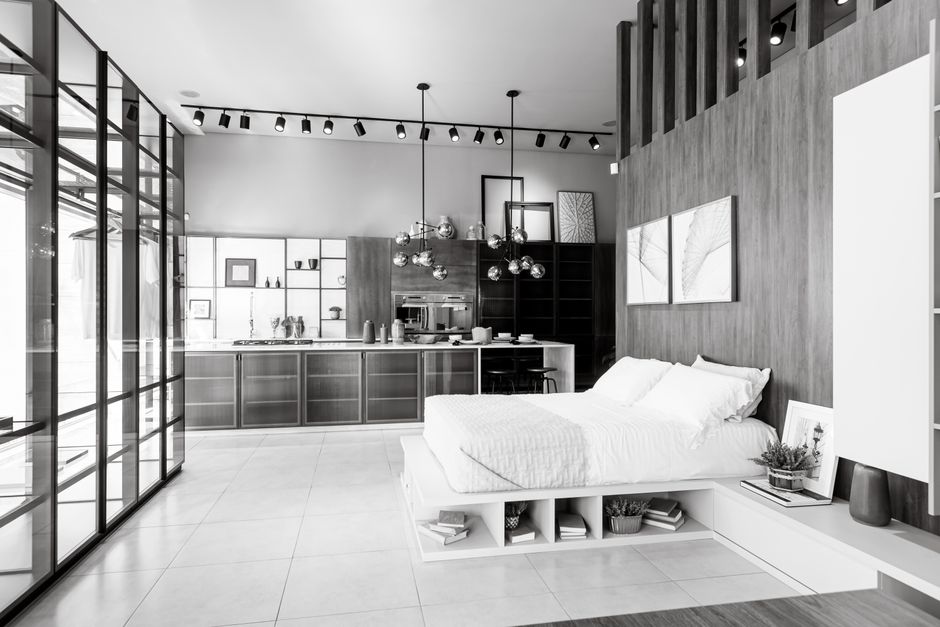
You spend 8 hours breathing in a closed room. If the air is stale, dry, or full of allergens, your sleep quality drops. Here’s what matters:
CO2 levels — When you sleep with your door closed, CO2 builds up. At 1,000 ppm, you start feeling groggy. At 2,000 ppm, your REM time drops measurably. Crack your door open 2 inches, or better, install a Panasonic FV-0511VQ1 WhisperCeiling Fan ($150) if you have a bathroom attached to your bedroom. It runs continuously at very low noise (0.3 sones) and exchanges the air.
Humidity — Below 30% humidity dries out your nasal passages and throat, causing snoring and waking you up. Above 60% humidity promotes mold and dust mites. Target 40-50%. A Levoit LV600S Smart Humidifier ($60) with built-in hygrometer keeps you in that range automatically.
Allergens — Dust mites thrive in bedding. Wash your sheets weekly in water above 130°F. Use a Honeywell HPA300 HEPA Air Purifier ($200) in your bedroom. It filters 99.97% of particles down to 0.3 microns — dust, pollen, pet dander. Run it on low while you sleep. The noise is about 35dB, which is quieter than a fan.
Verdict: Crack the door, run a HEPA purifier, and keep humidity between 40-50%. A $200 air purifier and $60 humidifier cost less than a night in a hotel and last years.
5. Your Bed: The Foundation Nobody Checks
You can fix every environmental factor above, but if your mattress is 12 years old and sagging in the middle, you won’t get deep REM. Your body spends energy adjusting position all night instead of resting.
Most mattresses last 7-10 years. If yours is older, replace it. Here’s what to look for:
- Medium-firm — Studies show medium-firm mattresses produce the best sleep quality for most people. Too soft and your spine curves. Too hard and you toss from pressure points.
- Memory foam vs. hybrid — Memory foam (like Tempur-Pedic ProBreeze, $2,000 for queen) isolates motion well but sleeps hot. Hybrids (like Saatva Classic, $1,500 for queen) have coils for airflow and bounce. For hot sleepers, hybrid is better.
- Cooling tech — The Brooklyn Bedding Aurora Luxe ($1,200 for queen) has a phase-change material cover that stays cool to the touch. It’s the best value for hot sleepers under $1,500.
When NOT to buy a new mattress: If your current mattress is less than 5 years old and you don’t wake up with back pain, a $200 mattress topper can fix comfort issues. The ViscoSoft 4-Inch Serene Foam Topper ($170) adds pressure relief without buying a whole new bed.
Pillows matter more than you think. Side sleepers need a thicker pillow (5-6 inches) to keep the spine aligned. Back sleepers need a thinner one (3-4 inches). The Coop Home Goods Eden Pillow ($72) is adjustable — you add or remove shredded memory foam to get the exact height you need.
Verdict: If your mattress is over 8 years old, replace it with a medium-firm hybrid. If it’s newer, try a topper and an adjustable pillow first. Your spine alignment during sleep directly affects how much REM you get.
Final Recommendation
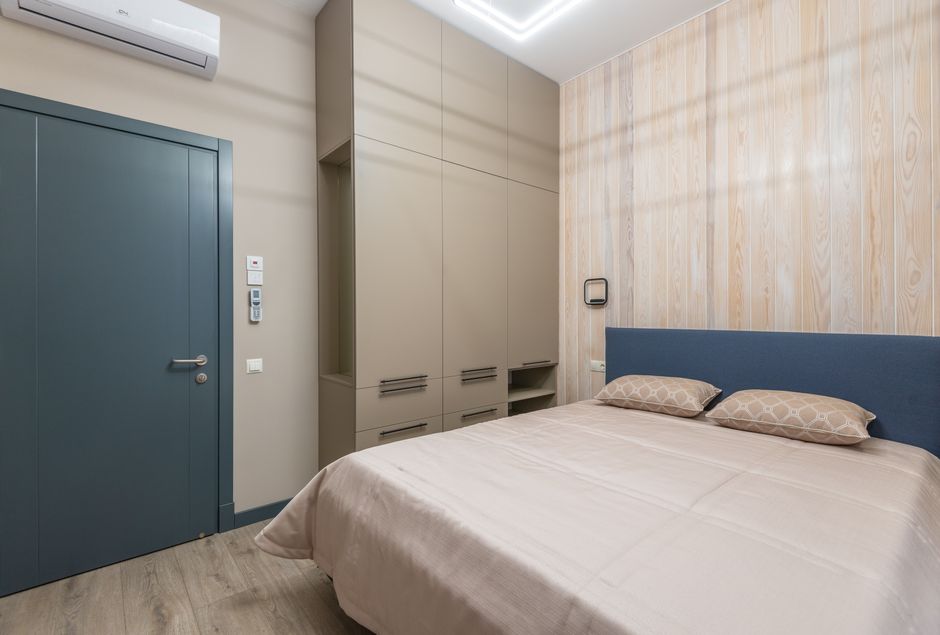
Fix these five things in this order:
- Light — Blackout curtains + cover LEDs + phone out of room. Under $50, 30 minutes.
- Temperature — 65°F. Use a fan or cooling pad if needed.
- Noise — LectroFan white noise machine at 55dB.
- Air quality — Crack the door, HEPA purifier, 40-50% humidity.
- Bed — Replace mattress if over 8 years old. Fix pillow height.
You don’t need to do all five at once. Start with light and temperature tonight. Measure your sleep quality with a free app like Sleep Cycle for a week before and after. Most people see their deep sleep percentage jump from 15% to 25% within three nights of fixing light and temperature alone.
Medical Disclaimer: This content is for informational purposes only and does not constitute medical advice. Always consult a qualified healthcare professional before making health-related decisions.