You’ve tried the kombucha, the bone broth, the 30-day eliminations. Your stomach still bloats after lunch, and your energy crashes by 3 PM. The problem isn’t that you’re not trying — it’s that most “gut health” advice is vague nonsense. This is the plan that actually works, backed by the microbiome science that matters, not the Instagram wellness guru of the week.
Step 1: Stop Eating for Your Taste Buds — Eat for Your Microbiome
Your gut houses about 100 trillion bacteria. They influence everything from mood to immunity to how many calories you absorb from food. The single biggest lever you have is diversity of plant fibers. Not one superfood. Variety.
Most people eat the same 10-15 foods on repeat. Wheat, dairy, eggs, chicken, rice, bananas, apples. That’s it. Your microbiome starves on that rotation. The goal is 30 different plant types per week. That sounds insane until you realize herbs, spices, nuts, seeds, and legumes all count. A sprinkle of oregano on your eggs counts. A handful of walnuts counts. The tablespoon of flax in your smoothie counts.
Why 30 plants matters more than probiotics
Probiotics are temporary visitors. They pass through your system in 48-72 hours. Prebiotics — the fiber that feeds your existing good bacteria — actually changes the colony composition long-term. A 2018 study in mSystems found that people eating 30+ plant types per week had significantly more diverse gut bacteria than those eating 10 or fewer. Diversity is the marker of a resilient gut, not how much kombucha you drink.
Practical start: Add one new plant to every meal this week. Pumpkin seeds on oatmeal. Cilantro on tacos. Lentils mixed into ground meat. Frozen edamame as a snack. Do this for 7 days and you’ve already doubled your average person’s plant count.
Step 2: The 12-Hour Eating Window — Simple, Free, Effective
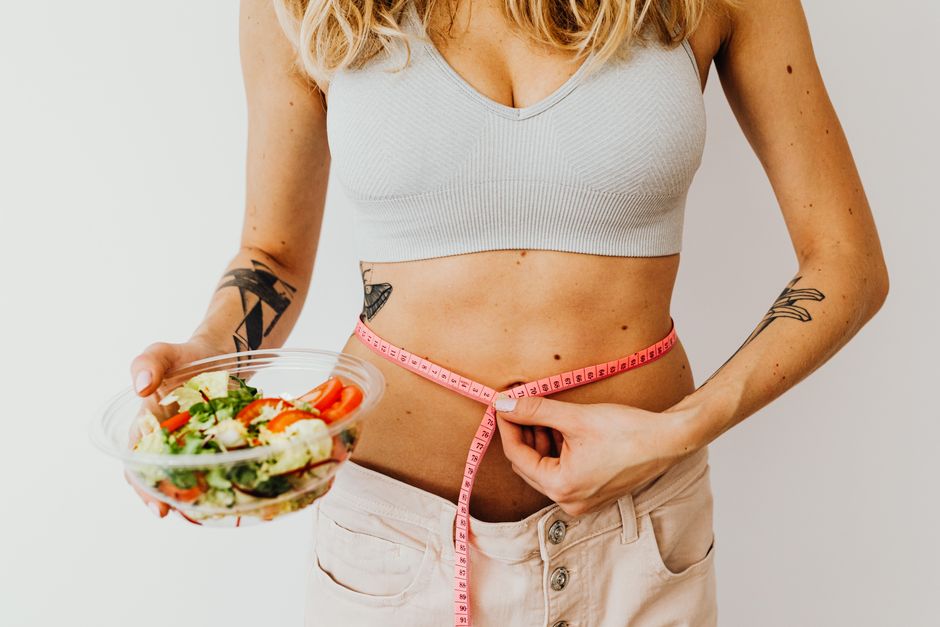
This is the single cheapest intervention in gut health. Cost: zero dollars. Effort: moderate for the first three days. Benefit: massive.
Time-restricted eating (not calorie restriction, just timing) gives your gut a cleaning cycle called the migrating motor complex. It’s a wave of contractions that sweeps debris and bacteria from your small intestine into your colon. It only activates when you haven’t eaten for 4-5 hours. If you’re snacking from 7 AM to 10 PM, that cleaning cycle never happens.
| Eating Window | Gut Cleaning Hours | Typical Bloating Improvement |
|---|---|---|
| 14+ hours (e.g., 8 AM – 6 PM) | 10+ hours | Significant reduction by day 5 |
| 12 hours (e.g., 8 AM – 8 PM) | 8 hours | Moderate improvement by day 7 |
| 10 hours or less (e.g., 10 AM – 6 PM) | 12+ hours | Best results, but harder to sustain |
Start with a 12-hour window. Finish dinner by 7 PM. Don’t eat again until 7 AM. That’s it. Water, black coffee, and plain tea are fine. No cream, no sugar, no “healthy” snacks at 9 PM. Your gut needs the break.
What happens when you ignore this
Late-night eating is directly linked to higher levels of small intestinal bacterial overgrowth (SIBO). When food sits in your small intestine overnight without the cleansing wave, bacteria ferment it and produce gas. That’s the bloating you wake up with and the discomfort that lasts until noon. Fix the timing before you buy another bottle of digestive enzymes.
Step 2: Three Foods to Add (and Three to Drop) This Week
No 30-day elimination. No “cleanse.” Real changes you can make in your next grocery trip.
The three adds
1. Kimchi or sauerkraut (refrigerated, raw) — Not the shelf-stable pasteurized stuff. That’s dead. Look for live cultures in the refrigerated section. A forkful with lunch delivers more probiotic diversity than any pill. Brands like Cleveland Kraut or Wildbrine are widely available.
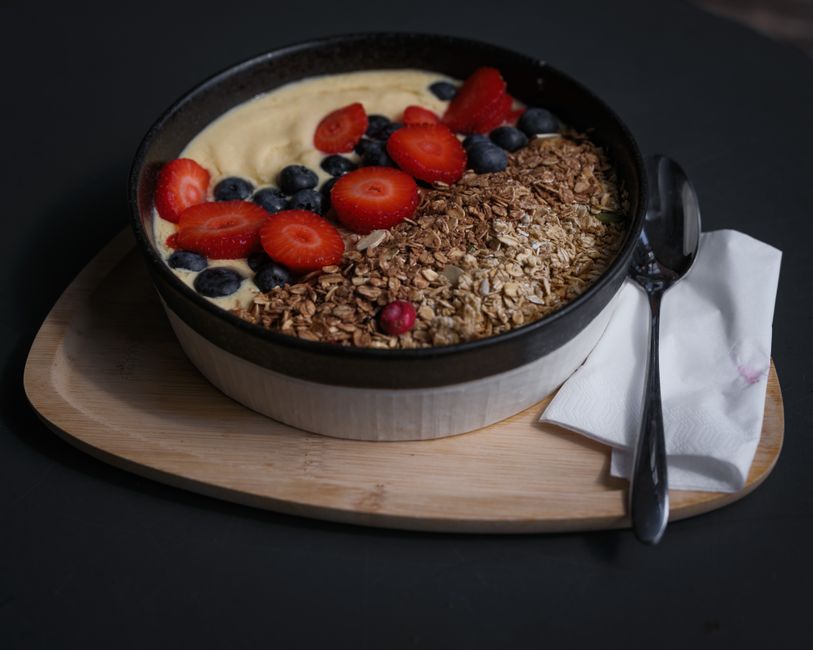
2. Oats or barley — These contain beta-glucan, a soluble fiber that feeds Bifidobacterium and Lactobacillus specifically. Steel-cut or rolled, not instant. Instant oats have a higher glycemic index and less intact fiber.
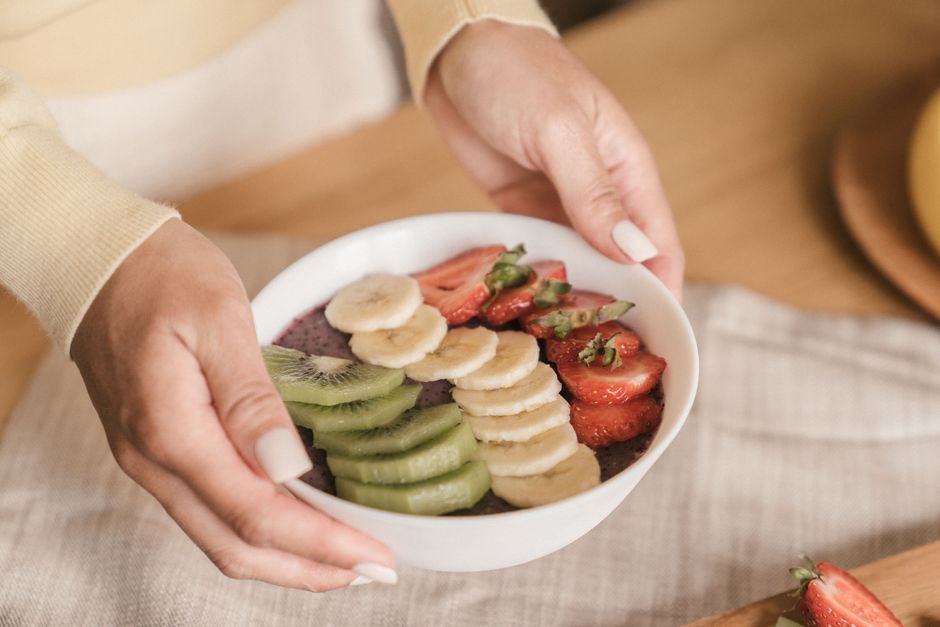
3. Kiwi (green, skin on) — Two kiwis a day have been shown in multiple trials to improve stool frequency and reduce bloating in people with constipation-predominant IBS. The skin contains most of the fiber. Wash it, eat it. Don’t peel.
The three drops
1. Artificial sweeteners — Sucralose, aspartame, and especially sorbitol and xylitol. They’re not metabolized by you, but your gut bacteria ferment them aggressively, producing gas and altering the microbiome composition toward less beneficial species. Check your protein bars, gum, and “sugar-free” drinks.
2. Emulsifiers (polysorbate 80, carboxymethylcellulose) — Found in processed foods like ice cream, salad dressings, and packaged baked goods. Animal studies show they degrade the mucus layer that protects your gut lining. No human studies yet, but the mechanism is strong enough that I’d avoid them.
3. Gluten IF you have diagnosed sensitivity — Not because gluten is evil, but because for about 6% of people, it triggers zonulin release, which opens the tight junctions in the gut lining. If you don’t have celiac or non-celiac gluten sensitivity, gluten is fine. If your bloating disappears after 2 weeks off wheat, you have your answer.
Step 4: The Meal Order That Cuts Bloating by 40%
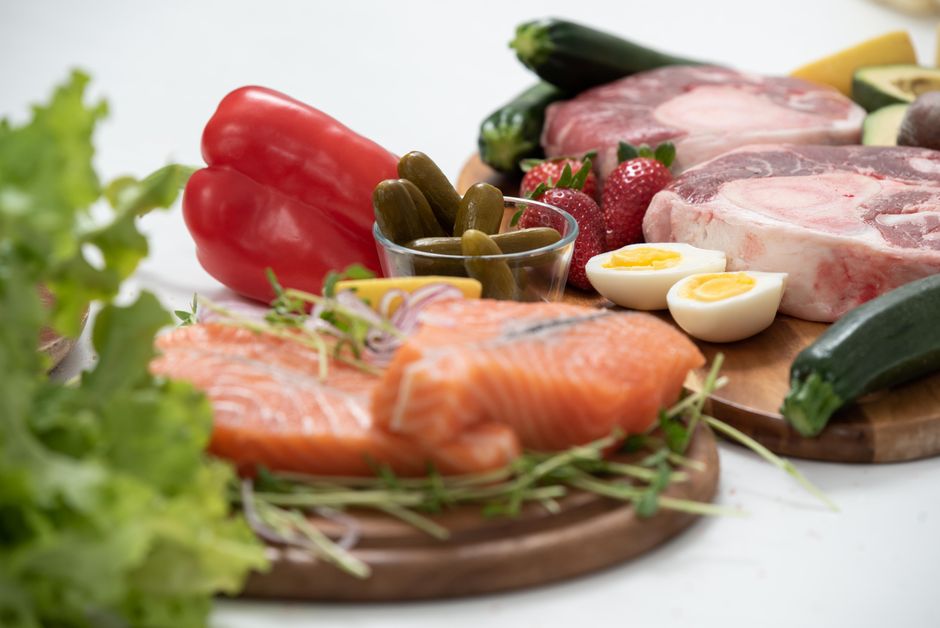
This is the trick no one talks about. The order you eat food on your plate changes how your body processes it. Eat the same meal in reverse order and your blood sugar spikes less, your gut digests faster, and you feel less bloated.
The correct order: Vegetables first, then protein and fat, then starches and sugars last.
Here’s why: Fiber from vegetables creates a mesh in your small intestine that slows glucose absorption. Protein and fat trigger the release of incretins, hormones that slow gastric emptying. By the time the starches hit, your body processes them gradually instead of flooding your system.
A 2015 study from Weill Cornell Medical College found that eating the same meal in this order reduced post-meal glucose spikes by 37% and insulin response by 23%. For gut health, the benefit is reduced fermentation in the small intestine — less gas, less bloating, fewer IBS symptoms.
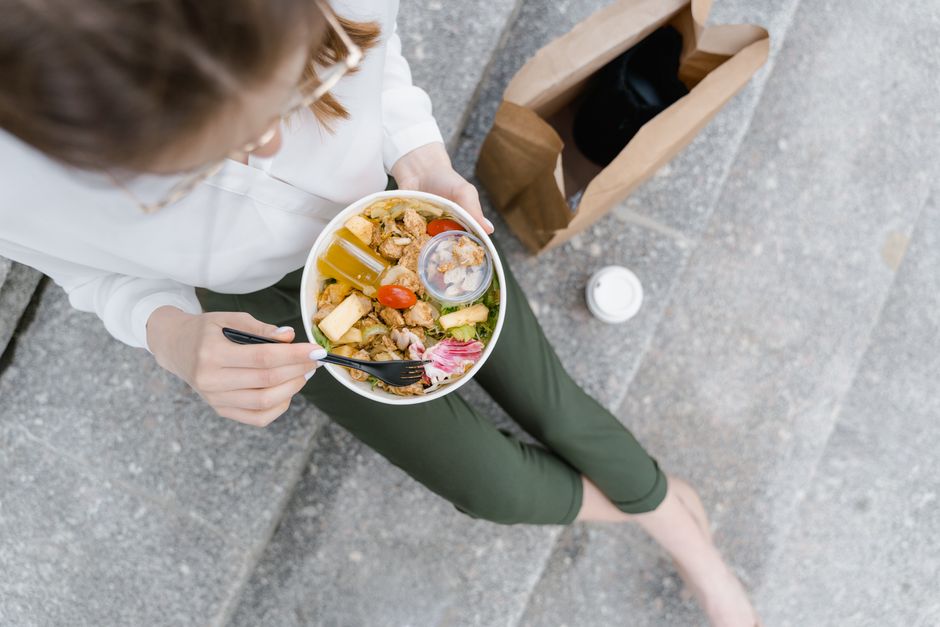
Try this tonight: Start your dinner with a handful of spinach or a small salad. Then eat your chicken or fish. Then your rice or potatoes. Wait 5 minutes between courses. Notice how different you feel.
Step 5: The Probiotic Supplement Reality Check
Most probiotic supplements are a waste of money. The bacteria in them rarely survive stomach acid, and even when they do, they don’t colonize your gut. They’re tourists, not settlers.
There are exactly three situations where a specific probiotic strain has solid evidence:
- Antibiotic-associated diarrhea: Saccharomyces boulardii (a yeast, not a bacterium) reduces risk by about 50%. Florastor is the most studied brand.
- Constipation: Bifidobacterium lactis HN019 or BB-12. Studies show it increases stool frequency by about 1.5 movements per week.
- IBS with bloating: Bifidobacterium infantis 35624. Align is the commercial version. It reduces abdominal pain and bloating in about 40% of people.
For general gut health, skip the supplement. Spend that money on more plants and fermented foods. The VSL#3 medical food (for ulcerative colitis) is the exception — it has 450 billion CFUs from 8 strains and genuine clinical data. But you don’t need it unless you have an IBD diagnosis.
What about prebiotic supplements?
Inulin powder and chicory root fiber are popular. They work for some people. They cause massive gas and bloating for others. Start with a quarter of the recommended dose and increase over 2 weeks. If you’re prone to SIBO, avoid them entirely — they feed the wrong bacteria in the small intestine.
Step 6: The Stress Connection — Why Your Brain Sabotages Your Gut
You can eat the perfect diet and still have gut problems if your stress response is stuck on high. The gut-brain axis runs through the vagus nerve. When you’re chronically stressed, your body diverts blood flow away from digestion, reduces enzyme secretion, and increases intestinal permeability — “leaky gut.”
This isn’t vague wellness talk. A 2026 study in Nature Reviews Gastroenterology & Hepatology showed that psychological stress directly alters the composition of gut bacteria, reducing Lactobacillus and Bifidobacterium populations within days. The effect is measurable and immediate.
What actually works: Deep breathing before meals. Not as a lifestyle philosophy — as a mechanical intervention. Slow, diaphragmatic breathing (5 seconds in, 5 seconds out for 2 minutes) activates the vagus nerve and shifts your nervous system from sympathetic (fight-or-flight) to parasympathetic (rest-and-digest). Do this before every meal for a week. See if your post-meal bloating changes.
When diet alone isn’t enough
If you’ve followed this plan for 3 weeks and still have significant bloating, pain, or irregular bowel movements, see a gastroenterologist. Not a functional medicine coach. Not a nutritionist who sells supplements. A doctor. You may have SIBO, IBD, celiac disease, or a motility disorder that requires actual medical diagnosis, not another elimination diet.
Step 7: Your 7-Day Gut Health Diet Plan (No Shopping List Required)
Here’s the structure. Fill in with whatever you have. The pattern matters more than the specific ingredients.
| Day | Breakfast (8 AM) | Lunch (12-1 PM) | Dinner (6-7 PM) | Key Addition |
|---|---|---|---|---|
| Mon | Oatmeal with walnuts and blueberries | Mixed greens with grilled chicken, olive oil, lemon | Salmon, roasted broccoli, sweet potato | 1 tbsp ground flaxseed |
| Tue | 2 eggs with spinach and sauerkraut | Lentil soup with carrots and celery | Stir-fried tofu with bok choy, bell peppers, brown rice | Handful of almonds (afternoon) |
| Wed | Greek yogurt (plain) with kiwi and pumpkin seeds | Quinoa bowl with chickpeas, cucumber, tomato, tahini | Grilled chicken, asparagus, small potato | 2 kiwis (skin on) |
| Thu | Smoothie: spinach, banana, flax, almond milk, chia seeds | Tuna salad (canned in water) on romaine leaves, apple | Beef stir-fry with snap peas, carrots, ginger, jasmine rice | Kimchi forkful with dinner |
| Fri | Oatmeal with raspberries and cinnamon | Leftover stir-fry or soup | Baked cod with roasted zucchini and barley | 1 tbsp psyllium husk in water (afternoon) |
| Sat | 3-egg omelet with mushrooms, onions, side of berries | Black bean tacos on corn tortillas with cabbage slaw | Lamb chops with mint, roasted carrots, arugula salad | Fresh dill or parsley on everything |
| Sun | Chia pudding (chia seeds + almond milk, overnight) | Buddha bowl: roasted sweet potato, kale, edamame, miso dressing | Roasted chicken thighs, Brussels sprouts, wild rice | 1 serving kefir (plain, unsweetened) |
Rules for every day: No food after 7 PM. Vegetables first at dinner. At least one fermented food. At least 25g of fiber total. Drink water when you feel hungry between meals — thirst masquerades as hunger and disrupts gut motility.
This isn’t a cure-all. If you have an autoimmune condition, IBD, or a diagnosed motility disorder, you need a tailored plan from a specialist. But for the 80% of people whose gut issues are driven by diet patterns, timing, and stress, this plan will produce noticeable changes in 10-14 days.
Medical Disclaimer: This content is for informational purposes only and does not constitute medical advice. Always consult a qualified healthcare professional before making health-related decisions.