You drag yourself to the kitchen at 7:15 AM. You grab a granola bar or a bowl of sugary cereal. By 9:30, your stomach is growling so loud your coworkers can hear it. You hit the vending machine for a bag of pretzels. Then you crash at 11.
This cycle is not your fault. Most breakfast advice is garbage. “Eat a balanced breakfast” means nothing. You need specific, cooked meals that actually hold you over. These seven ideas do exactly that.
Why Most Breakfasts Fail You by 10 AM
The standard American breakfast is a sugar bomb. A bowl of Frosted Flakes has 14g of sugar. A blueberry muffin from the coffee shop has 33g. A glass of orange juice has 21g. You are drinking liquid sugar and eating refined flour.
Your body burns through that glucose in about 90 minutes. Then your blood sugar crashes. You feel tired, hungry, and irritable. That is not a lack of willpower. That is biology.
Cooked breakfasts work because they involve whole ingredients that take longer to digest. Protein and fiber slow down glucose absorption. Fat keeps you satiated. The difference is measurable.
A 2018 study in the Journal of Nutrition compared a high-protein breakfast (35g protein) to a low-protein one (13g protein). The high-protein group ate 135 fewer calories at lunch. They also reported 25% less hunger throughout the morning.
The fix is simple: cook something with protein and fiber. No cereal. No toast with jam. No smoothies loaded with fruit juice.
The 3-Ingredient Egg Scramble That Beats Cereal
Eggs are the single best cooked breakfast ingredient. One large egg has 6g of protein, 5g of fat, and zero sugar. They take 4 minutes to cook.
The problem is that most people eat eggs with toast and butter. That adds 200 empty calories and zero additional protein. You need to pair eggs with something that adds fiber and volume.
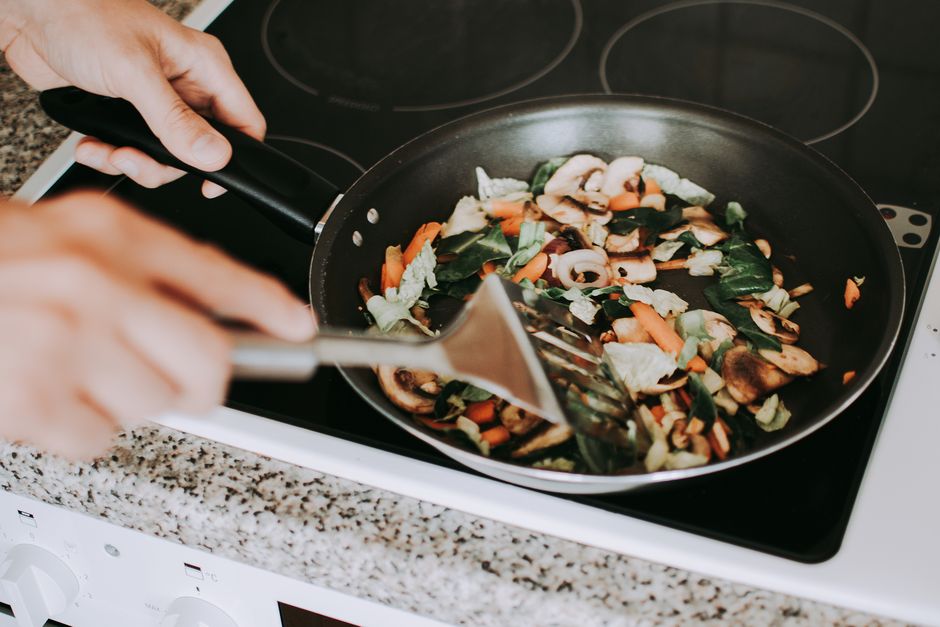
Try this: scramble 3 eggs with a handful of baby spinach and 1/4 cup of cottage cheese. The spinach adds fiber and micronutrients. The cottage cheese adds 7g of protein and makes the eggs creamy without adding cream. Total protein: 28g. Total time: 6 minutes.
This is not a recipe from a food blog. This is a practical meal that costs about $1.50 and keeps you full for 4 hours. I eat this every Tuesday and Thursday. It works.
If you hate cottage cheese, use a tablespoon of nutritional yeast instead. It adds a savory, cheesy flavor and 4g of protein per tablespoon. Same result.
Savory Oatmeal with a Fried Egg
Oatmeal is usually a sugar delivery system. Brown sugar, maple syrup, dried fruit — that is dessert, not breakfast. The average packet of instant oatmeal has 12g of added sugar.
Savory oatmeal flips the script. Cook 1/2 cup of rolled oats in water or bone broth. Add a pinch of salt and black pepper. Top with one fried egg, a drizzle of olive oil, and some chopped scallions.
The oats provide 4g of fiber and 5g of protein. The egg adds 6g more. The olive oil adds healthy monounsaturated fat. Total sugar: less than 1g.
This combination keeps your blood sugar stable because the fat and protein slow down the digestion of the oats. A 2026 study from the American Journal of Clinical Nutrition showed that adding protein to oatmeal reduced post-meal blood sugar spikes by 38% compared to plain oatmeal.
Prep tip: make a batch of steel-cut oats on Sunday. Store in the fridge. Reheat with a splash of water in the morning. Add the egg. Done in 3 minutes.
What to Buy
Bob’s Red Mill Rolled Oats ($4.29 for 32oz) are the standard. They are cheap, widely available, and have no added sugar. For the eggs, look for pasture-raised if your budget allows. Vital Farms Pasture-Raised Eggs ($6.99 per dozen) have higher omega-3 content than conventional eggs.
Sweet Potato Hash with Sausage
Hash browns from a fast food restaurant are deep fried and loaded with vegetable oil. A medium order of McDonald’s hash browns has 11g of fat and 240 calories, most of it from processed potatoes and oil.
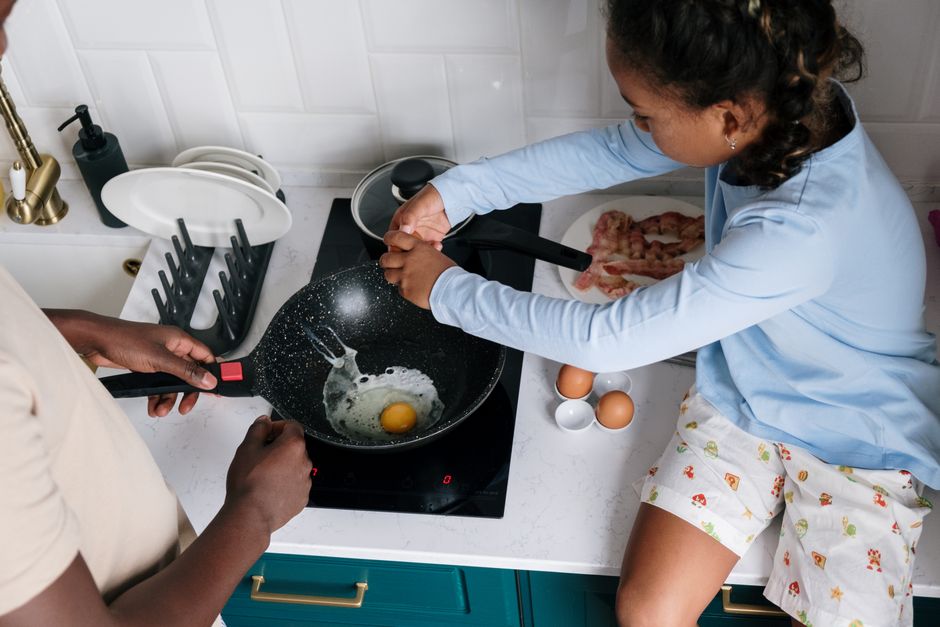
Homemade sweet potato hash is the opposite. Cube one medium sweet potato (about 200g). Toss with 1 tablespoon of olive oil, salt, and paprika. Roast at 400°F for 20 minutes, or pan-fry in a cast iron skillet for 12 minutes.
Pair with two chicken or turkey sausages. Applegate Farms Chicken & Maple Sausage ($6.49 for 10oz) has 12g of protein per link and only 3g of sugar. Total meal: 35g protein, 6g fiber, 450 calories.
Sweet potatoes are not just carbs. One medium sweet potato has 4g of fiber and more than 400% of your daily vitamin A. The orange color comes from beta-carotene, which your body converts to vitamin A for immune function and eye health.
Make a double batch of hash on Sunday. Reheat in a skillet for 5 minutes. Add the sausage. Breakfast is ready faster than a bowl of cereal.
When This Fails
If you are trying to lose weight quickly, be careful with the olive oil. One tablespoon has 120 calories. Measure it. Do not free-pour. The difference between 1 tablespoon and 3 tablespoons is 240 calories. That is a snack, not a seasoning.
High-Protein Breakfast Bowl (No Rice, No Grains)
Buddha bowls are trendy, but most breakfast bowls are just oatmeal with expensive toppings. You can do better.
Base: 1/2 cup of cooked quinoa or 1 cup of riced cauliflower. Quinoa is a complete protein with 8g per cup. Riced cauliflower has 2g of fiber and only 25 calories per cup.
Protein: 4 ounces of smoked salmon or 1/2 cup of canned black beans. Smoked salmon has 20g of protein and loads of omega-3 fatty acids. Black beans have 7g of protein and 6g of fiber.
Toppings: 1/2 avocado, a handful of cherry tomatoes, and a squeeze of lime.
This bowl has no added sugar, no refined grains, and no dairy (if you skip cheese). It takes 10 minutes to throw together. The fiber and protein combination keeps your blood sugar flat for hours.
I use Trader Joe’s Frozen Riced Cauliflower ($2.49 per bag). It microwaves in 4 minutes. The smoked salmon is Wild Planet Smoked Salmon ($7.99 for 6oz). It is wild-caught and has no added preservatives.
Comparison: Grain Bowl vs. Cauliflower Bowl
| Component | Quinoa Bowl | Cauliflower Bowl |
|---|---|---|
| Calories | 420 | 310 |
| Protein | 28g | 24g |
| Fiber | 8g | 10g |
| Net Carbs | 32g | 12g |
| Prep Time | 15 min | 10 min |
| Cost | $3.50 | $2.80 |
Pick quinoa if you need the calories for a workout day. Pick cauliflower if you are cutting calories or managing blood sugar.
Shakshuka: The One-Pan Dinner Breakfast
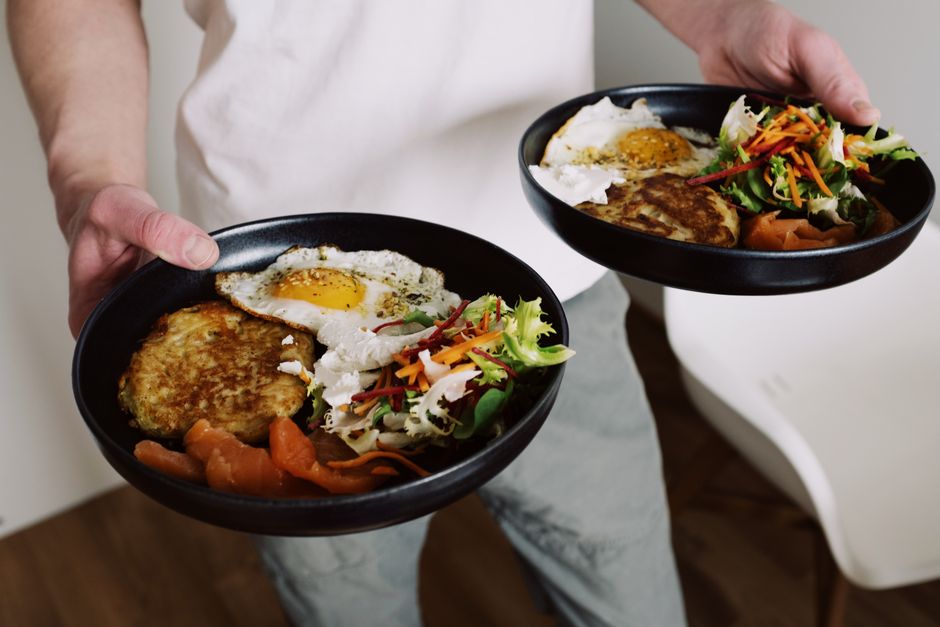
Shakshuka is a North African dish of eggs poached in spiced tomato sauce. It sounds fancy. It is not. It is one pan, six ingredients, and 15 minutes.
Saute one diced onion and one bell pepper in olive oil for 5 minutes. Add one can of crushed tomatoes (14oz), 1 teaspoon of cumin, 1 teaspoon of paprika, and salt. Simmer for 5 minutes. Crack 4 eggs into the sauce. Cover and cook for 6-8 minutes until the whites are set.
One serving (2 eggs with sauce) has 22g of protein, 6g of fiber, and 340 calories. The lycopene from the cooked tomatoes is a powerful antioxidant. The eggs provide choline, which supports brain function.
Serve with a slice of whole-grain sourdough if you want, but it is not necessary. The sauce is thick enough to eat with a spoon.
Muir Glen Organic Crushed Tomatoes ($3.29 per can) are fire-roasted and have no added sugar. Many canned tomatoes have sugar or citric acid added. Read the label.
Common Mistake
Do not use tomato sauce that has added sugar. Hunt’s Tomato Sauce has 4g of sugar per serving. That adds up. Use crushed tomatoes with zero added sugar.
Greek Yogurt Bowl with Warm Berries
Cold yogurt is fine, but warm berries change the experience. Frozen berries heated in a saucepan release their natural juices and become a compote without added sugar.
Add 1 cup of frozen mixed berries to a small saucepan. Heat on medium for 5 minutes until the berries break down and release liquid. Do not add sugar. The berries are sweet enough.
Pour over 1 cup of plain Greek yogurt. Fage Total 5% Greek Yogurt ($6.49 for 35oz) has 20g of protein per cup and no added sugar. Top with 1 tablespoon of chia seeds for 4g of fiber and 2g of omega-3s.
Total protein: 22g. Total sugar: 8g (all from berries, none added). Total time: 7 minutes.
This is not cooked in the traditional sense, but the warm berries make it feel like a cooked breakfast. It works for people who want something lighter than eggs but still substantial.
Wyman’s Frozen Wild Blueberries ($4.99 for 32oz) are smaller and sweeter than cultivated blueberries. They have more antioxidants per gram. Worth the extra dollar.
Five Mistakes That Ruin a Healthy Cooked Breakfast
You can follow every recipe above and still end up with a bad breakfast. These five mistakes are the most common.
1. Cooking with the wrong oil. Olive oil has a smoke point of 375°F. If you fry eggs on high heat, the oil burns and creates harmful compounds. Use avocado oil (500°F smoke point) for high-heat cooking. Chosen Foods Avocado Oil ($8.99 for 16oz) is neutral-tasting and handles heat well.
2. Overcooking eggs. A rubbery egg is a sad egg. Cook scrambled eggs on medium-low heat. Stir constantly. Remove from heat when they are still slightly wet. Carryover cooking finishes them. For fried eggs, cook on medium heat until the white is set but the yolk is still runny.
3. Adding sugar to savory dishes. Do not put maple syrup on your sweet potato hash. Do not add honey to your oatmeal if you are doing savory. The sugar spikes your insulin and defeats the purpose.
4. Skipping vegetables. If your breakfast plate is only eggs and meat, you are missing fiber and micronutrients. Add spinach, peppers, onions, mushrooms, or tomatoes. They add volume and nutrition for almost zero calories.
5. Not prepping. If you have to chop vegetables at 7 AM, you will skip them. Prep on Sunday. Chop onions and bell peppers. Cube sweet potatoes. Cook a batch of quinoa. Store in containers. Morning assembly takes 5 minutes.
Fix these mistakes, and your breakfast will actually work. No crashes. No vending machine trips. Just stable energy until lunch.
Medical Disclaimer: This content is for informational purposes only and does not constitute medical advice. Always consult a qualified healthcare professional before making health-related decisions.