Most parents assume kids don’t get back pain. That is a myth. Studies from the Journal of Pediatric Orthopedics show that 30% to 50% of children report back pain by age 15. The difference between a passing ache and a real problem comes down to what you do right now.
This article walks through the actual causes, the home treatments that work, and the exact signs that mean you need a doctor. No fluff. No products to buy. Just clear steps backed by pediatric research.
Why Kids Get Back Pain — And Why Adults Get It Wrong
Adults assume kids’ back pain comes from sports injuries or heavy backpacks. Those are real causes, but they are not the most common ones. Pediatric physical therapists see a different pattern.
The number one cause in kids ages 8 to 14 is prolonged static posture. That means sitting on the floor hunched over a tablet for two hours. Or lying on a bed with a laptop. Or slouching on a couch while watching TV. The spine is not designed to hold those positions for long stretches. Children’s ligaments are looser than adult ligaments, which means they can slouch deeper without immediate pain — but the strain builds up over hours.
A 2026 study in the European Spine Journal tracked 1,200 children and found that screen time of more than three hours per day doubled the risk of back pain. The risk was higher for girls than boys. The most painful position? Sitting on the floor with legs straight out and the device on the lap.
Other common causes include:
- Backpack overload — The American Academy of Pediatrics says a backpack should weigh no more than 10% to 15% of the child’s body weight. A 60-pound kid carrying an 8-pound backpack is already at the limit.
- Growth spurts — Bones grow faster than muscles during puberty. The muscles around the spine get tight and weak, leading to mechanical pain.
- Single-sport specialization — Kids who play one sport year-round, especially gymnastics, dance, or tackle football, develop muscle imbalances that pull the spine out of neutral alignment.
The mistake most parents make is assuming the pain is from something serious like a tumor or infection. In reality, fewer than 1% of pediatric back pain cases have a serious underlying cause. Most are mechanical and fixable.
Home Treatments That Actually Help — Ranked by Evidence
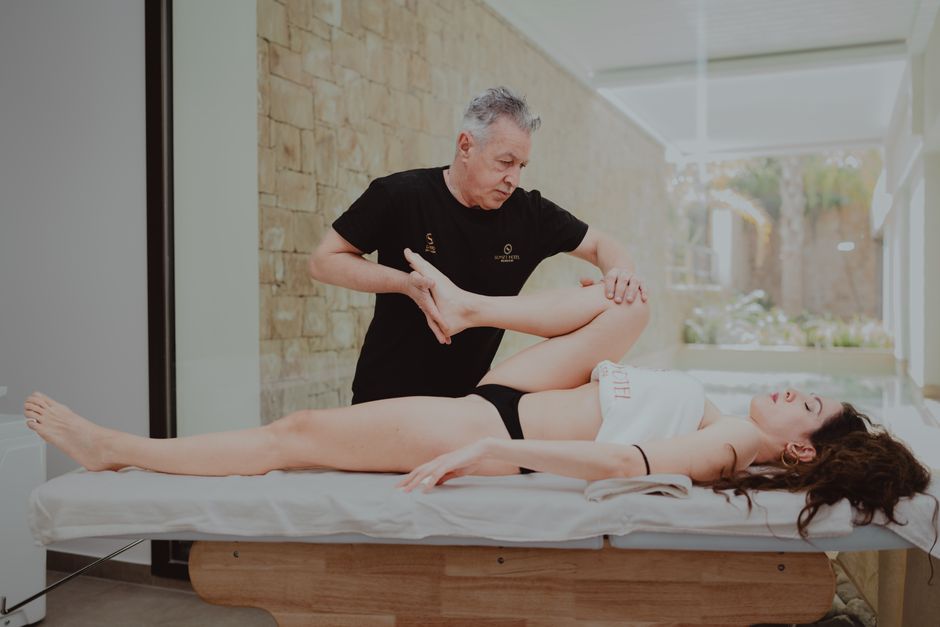
Before you reach for a heating pad or ibuprofen, know this: not all home treatments are equal. Some make things worse. Here is what pediatric sports medicine doctors actually recommend, ordered by strength of evidence.
1. Movement, Not Rest
Complete bed rest used to be standard advice. Now we know that staying still for more than 24 hours weakens the back muscles and prolongs pain. The best approach is gentle movement within a pain-free range. Walking, swimming, or light stretching for 10 to 15 minutes every two hours keeps blood flowing to the muscles and prevents stiffness.
2. The McKenzie Method for Kids
This is a set of exercises developed by a New Zealand physiotherapist. For kids with lower back pain that feels better when they lean backward, the McKenzie press-up is highly effective. The child lies on their stomach, places hands under shoulders, and gently pushes the upper body up while keeping the hips on the floor. Hold for 5 seconds. Repeat 10 times. A 2019 randomized trial in the Journal of Orthopedic & Sports Physical Therapy found this reduced pain scores by 50% in children after two weeks.
3. Heat or Ice — Pick the Right One
Ice is for the first 48 hours after an acute injury — a fall, a twist, a direct hit. After that, heat works better for muscle tightness. A warm shower or a microwavable heating pad applied for 15 minutes loosens tight muscles and increases blood flow. Do not use heat if the area is swollen or bruised.
4. Over-the-Counter Pain Relievers — Short Term Only
Ibuprofen (Motrin, Advil) works better than acetaminophen (Tylenol) for muscle pain because it reduces inflammation. The dose is based on weight, not age. For a 50-pound child, that is about 150 mg every 6 to 8 hours. Never use for more than 3 consecutive days without a doctor’s approval. Long-term NSAID use in children is linked to stomach irritation and kidney stress.
5. What to Skip
Avoid back braces for kids. They weaken the core muscles over time. Avoid chiropractic adjustments on children under 12 unless ordered by a pediatric orthopedist. Avoid topical creams with capsaicin or menthol on children under 6 — they can cause skin burns.
When Back Pain Means Something More Serious
Most back pain in kids is benign. But there are red flags that require immediate medical attention. These are rare — maybe 1 in 200 cases — but missing them is dangerous.
| Symptom | What It Might Mean | Action |
|---|---|---|
| Pain that wakes the child at night | Possible bone infection or tumor | See pediatrician within 48 hours |
| Fever over 100.4°F with back pain | Spinal infection (discitis) | Emergency room |
| Numbness or tingling in legs | Nerve compression | See pediatric orthopedist |
| Loss of bladder or bowel control | Cauda equina syndrome | Emergency room immediately |
| Pain that gets worse over weeks despite rest | Stress fracture (spondylolysis) | Sports medicine doctor |
| Unexplained limp or refusal to walk | Hip or spine problem | Pediatrician within 24 hours |
If your child has back pain plus any of these symptoms, stop home treatment and get a professional evaluation. Imaging like X-rays or MRIs is rarely needed for simple back pain, but these red flags change the equation.
The most common serious cause in active kids is spondylolysis, a stress fracture in the lower spine. It happens in gymnasts, dancers, and football linemen who repeatedly hyperextend the back. The hallmark sign is pain that gets worse when leaning backward. This needs a sports medicine doctor, physical therapy, and often a break from the sport for 6 to 12 weeks.
How to Fix the Three Biggest Causes at Home
You can prevent most back pain without ever seeing a doctor. These three fixes address the root causes pediatric orthopedists see every day.
Fix the Backpack
The average 5th grader carries a backpack weighing 12 to 15 pounds. That is 20% of their body weight. The fix is simple:
- Buy a backpack with padded straps and a waist belt. The waist belt transfers 50% of the weight from the shoulders to the hips.
- Pack heaviest items closest to the back. A laptop or textbook should sit against the spine, not the outer pocket.
- Both straps must be worn. Single-strap carrying creates a lateral curve in the spine.
- Weigh the backpack weekly. If it exceeds 10% of body weight, find a way to leave books at school or use a rolling bag.
Fix the Screen Setup
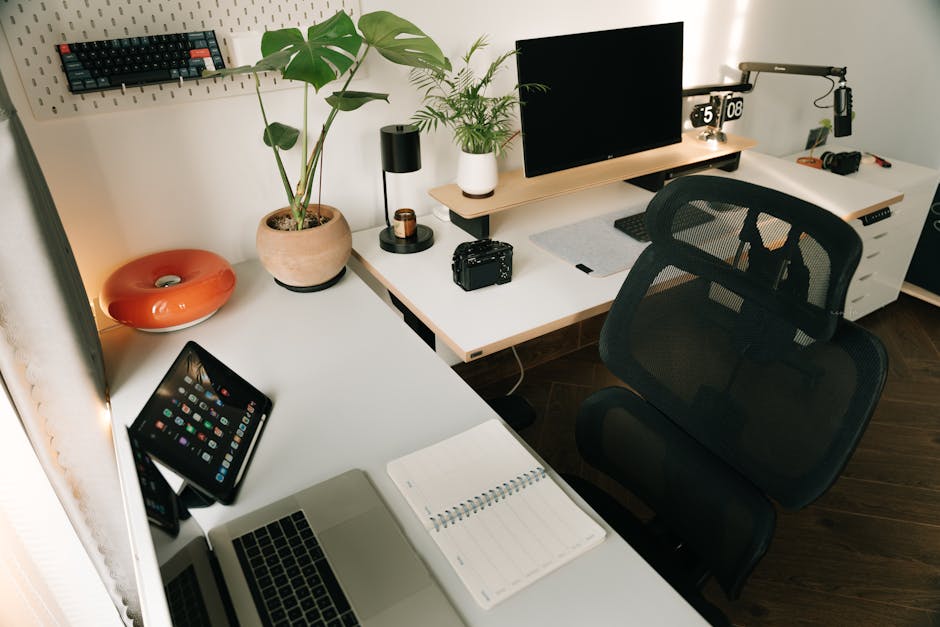
Your child should not be working on a laptop while sitting on a bed or floor. The ideal setup costs nothing:
- Sit at a table or desk with feet flat on the floor. If the chair is too big, put a stool or a stack of books under the feet.
- The screen should be at eye level. A laptop on the table forces the head to look down, which adds 27 pounds of pressure on the cervical spine. Prop the laptop on a box or a stack of books.
- Set a timer for 30 minutes. Every 30 minutes, stand up and walk for 2 minutes. This resets the spinal discs and prevents stiffness.
Fix the Mattress
A mattress that is too soft or too old can cause morning back pain in kids. The rule: if the mattress is more than 8 years old, replace it. For children under 12, a medium-firm mattress is ideal. A mattress that sags more than 1 inch in the middle does not support the spine during sleep. You can test this by laying a straight edge across the bed. If you see a gap, the mattress is worn out.
Building a Back-Friendly Routine That Lasts

Back pain in kids is rarely a one-time event. If your child has had one episode, they are likely to have another unless you change daily habits. The goal is not to eliminate all pain — kids will fall, twist, and strain — but to build a body that recovers fast.
The single most effective long-term strategy is core strength. Not sit-ups. Not crunches. Real core stability that protects the spine. The best exercises for kids are planks, bird-dogs, and glute bridges. These activate the deep abdominal muscles and the multifidus muscles along the spine. A 2026 study in the Journal of Strength and Conditioning Research found that 10 minutes of core exercises three times per week reduced back pain recurrence in adolescents by 70% over six months.
Make it part of their routine. Before screen time, do 5 minutes of core work. Before sports practice, do 5 minutes. It takes less time than scrolling through TikTok.
The other piece is teaching body awareness. Kids who can recognize the difference between “good pain” (muscle fatigue) and “bad pain” (sharp, stabbing, or radiating) get hurt less. Show them: “That ache in your lower back after sitting too long means you need to move. That sharp pain when you twist means stop.”
Pediatric back pain is not a crisis. It is a signal. The signal says: something in the daily routine is out of balance. Listen to it, fix the cause, and your child will likely never need a doctor for this again.
Medical Disclaimer: This content is for informational purposes only and does not constitute medical advice. Always consult a qualified healthcare professional before making health-related decisions.