Modern living spaces demand more than furniture and paint colors to feel complete. The strategic integration of landscape and interior plants offers an opportunity to bridge outdoor aesthetics with indoor comfort, creating environments that breathe life into every corner. Yet selecting the right greenery involves more than grabbing attractive specimens from a nursery. Understanding which plants complement specific spaces, lighting conditions, and lifestyle demands separates thoughtful design from haphazard decoration, ultimately determining whether botanical additions enhance or overwhelm a home.
Transforming Outdoor Areas With Creative Landscape Design Ideas
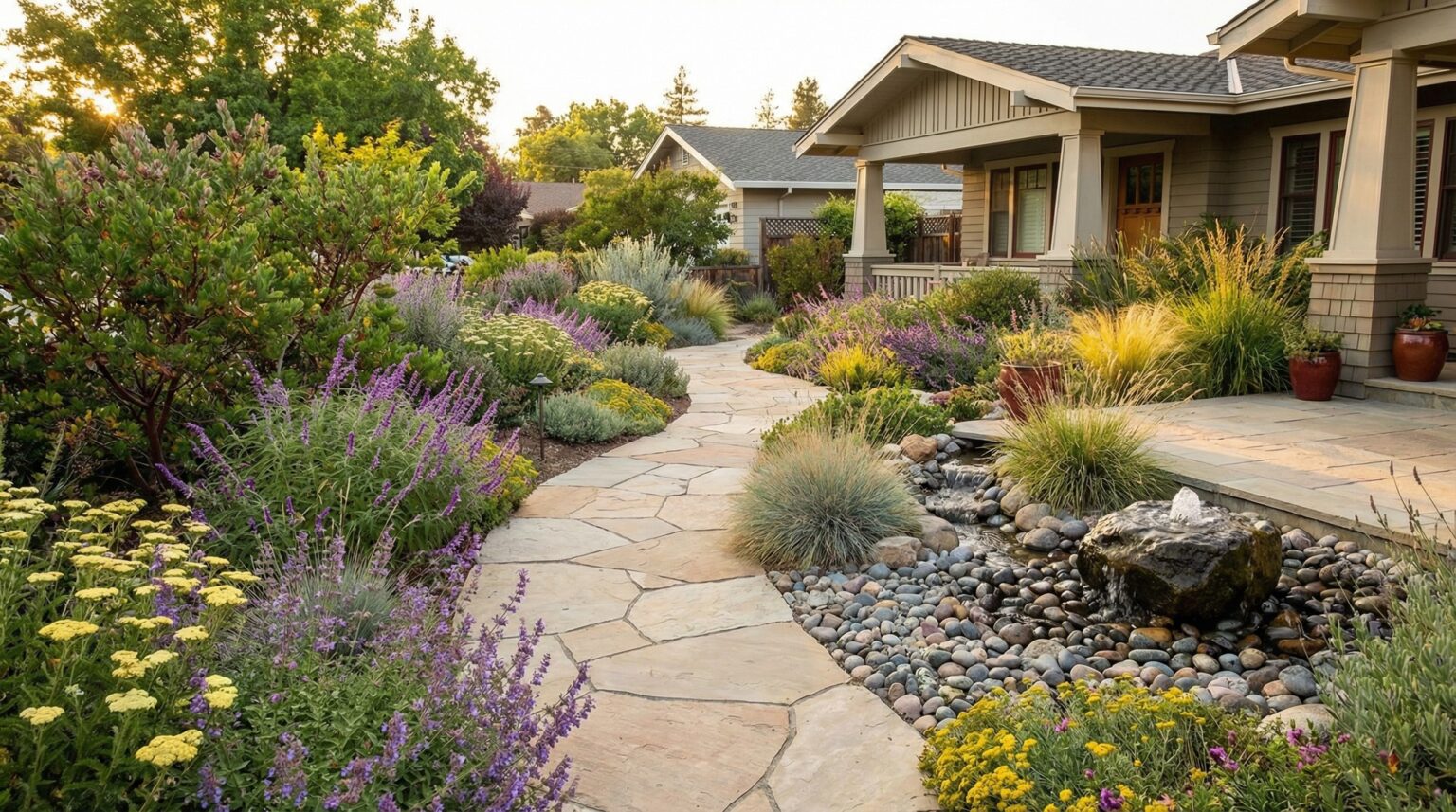
When homeowners seek to elevate their property’s aesthetic appeal, strategic landscape design serves as a powerful tool for creating inviting outdoor environments. Incorporating native plants reduces maintenance requirements while supporting local ecosystems. Layered plantings add depth and visual interest through varying heights, textures, and seasonal colors. Hardscaping elements like stone pathways, decorative borders, and retaining walls provide structure and define functional zones. Many homeowners draw inspiration from Colorado landscape design ideas that emphasize drought-tolerant plants, natural stone materials, and layouts suited to variable elevations and weather conditions.
Water features introduce soothing sounds and serve as focal points that attract wildlife. Outdoor lighting extends usability into evening hours while highlighting architectural features and specimen plants. Vertical gardens maximize limited space in urban settings, transforming bare walls into living art installations. Thoughtful plant selection based on sun exposure, soil conditions, and climate guarantees long-term success. These integrated design strategies create cohesive outdoor spaces that enhance property value and quality of life.
Incorporating Ivy Plants Indoor for Elegant and Lush Interiors
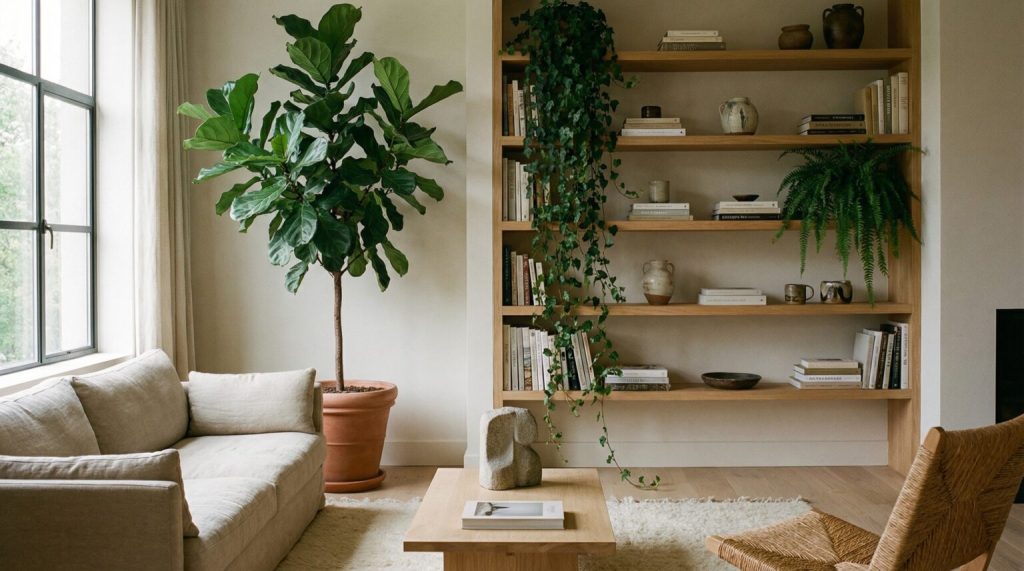
Because ivy plants adapt readily to indoor environments, they have become popular choices for homeowners seeking to introduce natural elegance into their living spaces. Their trailing vines create visual interest when displayed in hanging baskets, positioned atop bookshelves, or trained along wall-mounted trellises. English ivy and devil’s ivy thrive in moderate indoor lighting conditions, making them suitable for rooms with limited natural light. These versatile plants purify indoor air by removing toxins while adding lush greenery to contemporary and traditional interiors alike. For many decorators, indoor ivy plants serve as both functional air enhancers and design elements that soften hard surfaces and add organic texture to interior layouts.
Proper care requires well-draining soil, consistent watering schedules, and occasional pruning to maintain desired shapes. Designers often incorporate ivy into vertical gardens or use it as living curtains to soften architectural elements. Their low-maintenance nature and aesthetic appeal make ivy plants practical additions to residential and commercial spaces.
Combining Outdoor and Indoor Greenery to Create Cohesive Living Spaces
How can homeowners blur the boundaries between interior and exterior environments? Strategic plant placement creates seamless connections between spaces. Position matching species on both sides of glass doors or large windows to establish visual continuity. Select plants with similar leaf shapes, colors, or textures for cohesion.
Large outdoor planters mirror interior pots in style and scale, reinforcing design unity. Trailing plants like jasmine or ferns connect spaces when placed near thresholds. Sliding glass doors maximize this effect by physically opening rooms to gardens.
Consider climate compatibility when selecting species. Hardy plants tolerating temperature fluctuations work best near entryways. Use architectural plants such as palms or fiddle leaf figs to frame views and guide sight lines from indoor to outdoor areas, creating unified, flowing environments.
Choosing Plants That Thrive in Your Home’s Lighting and Climate
Understanding a home’s specific environmental conditions determines plant selection success more than any other factor. Direct sunlight through south-facing windows supports succulents, cacti, and flowering varieties, while low-light northern exposures suit pothos, snake plants, and ZZ plants. Temperature fluctuations near drafty windows or heating vents require hardy species like jade plants or dracaena.
Humidity levels greatly impact tropical plants such as ferns, calatheas, and orchids, which thrive in bathrooms or kitchens with moisture-rich air. Conversely, arid climates favor drought-tolerant options, including aloe vera and rubber plants. Seasonal light variations demand adjustable plant positioning or supplemental grow lights during winter months.
Matching plants to existing conditions eliminates unnecessary maintenance struggles and creates sustainable indoor landscapes. Conducting a thorough assessment of light intensity, temperature ranges, and humidity percentages before purchasing guarantees long-term plant health and aesthetic appeal.
Seasonal and Low-Maintenance Plant Options for Busy Lifestyles
For individuals with demanding schedules, selecting resilient plants minimizes care requirements while maintaining visual appeal throughout the year. Snake plants and pothos tolerate irregular watering and adapt to various light conditions, making them ideal for apartments and offices. ZZ plants store water in their rhizomes, surviving weeks of neglect without compromising their glossy foliage.
Seasonal rotations introduce fresh aesthetics without long-term commitment. Spring bulbs like paperwhites require minimal care, while autumn chrysanthemums provide vibrant color before dormancy. Succulents demand infrequent watering and thrive in bright spaces, offering architectural interest through diverse forms and textures.
Establishing simple maintenance routines guarantees plant longevity. Monthly fertilization during growing seasons, proper drainage systems, and occasional leaf cleaning sustain health. These strategies enable busy households to enjoy greenery without extensive time investments.
Design Tips to Balance Color, Texture, and Plant Placement
Strategic plant arrangement transforms functional greenery into cohesive interior design elements that complement existing décor. Color coordination begins with matching foliage tones to room palettes; deep greens anchor neutral spaces, while variegated leaves add visual interest to monochromatic schemes. Texture variation prevents monotony through combining broad-leafed plants like fiddle-leaf figs with delicate ferns or spiky succulents. This layering creates depth and dimensional contrast.
Placement follows the rule of thirds: position tall specimens in room corners, medium plants on side tables, and trailing varieties on elevated surfaces. Grouping plants in odd numbers, three or five, appears more natural than even arrangements. Scale matters considerably. Large rooms accommodate statement trees, while compact spaces benefit from vertical installations or hanging planters that maximize floor space without overwhelming proportions.
Enhancing Wellness and Mood Through Thoughtful Plant Integration
Beyond their aesthetic contributions, indoor plants actively improve psychological well-being through multiple biological and sensory mechanisms. Research demonstrates that proximity to greenery reduces cortisol levels, lowers blood pressure, and enhances cognitive function. Snake plants and other air-purifying plants filter airborne toxins while releasing oxygen, creating healthier breathing environments that support mental clarity, a finding supported by NASA research on indoor air quality.
Strategic placement maximizes these benefits. Position plants in high-stress areas like home offices or near frequently used seating. Aromatic varieties such as lavender and jasmine provide calming olfactory stimulation. Tactile engagement through routine care, watering, pruning, and touching foliage establishes mindful practices that ground attention and reduce anxiety.
Color psychology also influences mood. Green foliage promotes tranquility, while flowering plants in warm tones stimulate energy. Grouping plants creates biophilic microenvironments that reconnect inhabitants with nature, fostering restorative spaces within urban dwellings.