You’ve got trees in your yard. Maybe they came with the house. Maybe you planted them. Either way, you’re now responsible for keeping them alive — and doing it wrong can cost you a $2,000 removal bill or a dead oak that takes 80 years to grow back.
Here’s what actually matters.
How and When to Prune Trees Without Killing Them
Pruning is the most misunderstood part of tree care. Most people prune too much, too often, or at the wrong time of year. The goal isn’t to sculpt a tree like a hedge — it’s to remove dead or crossing branches, improve airflow through the canopy, and reduce the risk of limb failure. That’s it.
Late Winter Is the Right Window
For most deciduous trees — oaks, maples, elms, ashes — prune in late winter, just before new growth starts. The tree is dormant, so it loses minimal energy. Wounds callus over faster once spring growth kicks in. And with no leaves on the branches, you can actually see the structure clearly.
Avoid fall pruning. Cuts made in fall don’t seal before winter, leaving the tree exposed to fungal pathogens and cold damage for months.
Flowering trees break this rule. If you have a cherry, dogwood, or magnolia, prune right after it blooms. Pruning in late winter removes the flower buds that formed the previous season.
Where to Cut: The Branch Collar
Every branch has a branch collar — the slightly swollen ring of tissue where it meets the trunk or a larger limb. Cut just outside that collar. Not flush with the trunk. Not leaving a long stub sticking out.
The collar is where the tree grows protective callus tissue to seal the wound. Cut through it and the tree can’t close the wound properly. Leave a stub and you get slow rot that works its way back into the trunk. Find the collar, cut just outside it, angle the blade slightly away from the trunk. That’s the correct cut, every time, for every branch.
Tools That Are Actually Worth Using
For branches up to 1 inch in diameter, the Fiskars PowerGear2 bypass pruner ($35–$40) is genuinely excellent. The gear mechanism multiplies your cutting force by about 3x compared to standard bypass pruners, which matters when your hands start fatiguing 40 minutes into a session.
For branches up to 4 inches, the Silky Gomboy 240mm folding saw (~$65) cuts on the pull stroke — that’s the Japanese saw design — which means faster, cleaner cuts with less shoulder effort. If budget is tight, the Corona ClassicCUT bypass pruner (~$25) handles light pruning work reliably without anything fancy.
For anything above shoulder height: use a pole pruner or stop. Working overhead with sharp tools on a ladder is how serious injuries happen — every year, DIY tree work sends thousands of people to emergency rooms.
Never top a tree. Cutting back the central leader or major scaffold branches to flat stubs destroys the tree’s structural form, triggers fast-growing but weakly attached water sprouts, and causes long-term decline. Any arborist who recommends topping is not someone you should hire.
Soil and Mulching Come Before Everything Else
Healthy soil grows healthy trees. Most yard trees struggle not because of disease or insects but because their roots are compacted, nutrient-depleted, or sitting at the wrong pH. Fix the soil first and half your visible tree problems often fix themselves without any other intervention.
Test Before You Add Anything
A basic soil test from your county cooperative extension office (usually $15–$25) tells you pH, nitrogen, phosphorus, and potassium levels. Most trees prefer a pH between 6.0 and 7.0. Outside that range, the tree struggles to absorb nutrients regardless of how much fertilizer you apply — the chemistry simply doesn’t work right.
pH too low? Add agricultural lime. Too high? Add elemental sulfur. Neither correction is fast — allow several months for full effect. Test in fall, amend the following spring.
The Mulch Ring: Highest Return on Effort in Tree Care
A 3–4 inch layer of wood chip mulch spread around a tree’s base is arguably the single most beneficial thing you can do for its long-term health. It retains soil moisture, moderates ground temperature through winter and summer, suppresses competing grass and weeds, and breaks down slowly to feed the soil biology that trees depend on.
Keep mulch 3–6 inches away from the trunk itself. Mulch volcanoes — that piled-up mound stacked directly against the bark — trap moisture against the trunk, cause bark rot, and invite pests. Spread mulch out as far as the drip line if you can, but at minimum keep a 2–3 foot radius around the trunk completely clear of grass.
For fertilizing, Espoma Tree-tone ($20–$25 for 18 lbs) is a slow-release organic blend that works well for most shade trees applied in early spring. If you want less work, Jobe’s Organics Tree Fertilizer Spikes (~$15 for 5 spikes) are easy — just drive them into the ground at the drip line. They’re less effective than broadcast application but perfectly adequate for established trees that aren’t showing deficiency symptoms.
Young trees under five years old actively benefit from annual fertilizing. Established mature trees in healthy soil often need nothing at all.
DIY vs. Certified Arborist: Know Where the Line Is
Not every tree job belongs on YouTube. Here’s a clear breakdown of what’s manageable versus what genuinely requires a professional.
| Task | DIY or Pro? | Why |
|---|---|---|
| Pruning low branches under 2 inches, within reach | DIY | Low risk, standard tools, clear technique |
| Any pruning above shoulder height or from a ladder | Pro | Falls are the leading cause of DIY tree injury |
| Removing a small dead tree under 15 feet with clear fall space | DIY with caution | Manageable if no structures or power lines nearby |
| Removing any tree near a structure, fence, or utility line | Pro only | Property damage liability; technical rigging required |
| Diagnosing disease or pest infestation | ISA-certified arborist | Misdiagnosis leads to wrong treatment; often fatal for the tree |
| Applying mulch and soil amendments | DIY | Simple, low-risk, high-benefit |
| Deep root fertilization | Pro | Requires pressurized injection equipment to reach the root zone effectively |
| Storm-damaged hanging limbs or split trunk sections | Pro | Hanging wood under tension is unpredictable; serious injury risk |
When hiring an arborist, look for ISA certification (International Society of Arboriculture). ISA-certified arborists pass a standardized knowledge exam and agree to a code of ethics. Ask to see the certificate and current liability insurance before work begins. Anyone quoting suspiciously low for a large removal or recommending tree topping — find someone else.
Budget reality: medium tree pruning typically runs $200–$800. Full removal of a mature tree runs $1,000–$3,500+ depending on size, location, and site access. Get at least three quotes. Wide price variation on the same job usually reflects different experience levels, not just overhead.
Five Tree Care Mistakes That Quietly Kill Healthy Trees
Most tree decline in residential yards is self-inflicted. Stop doing these things:
- Topping trees. Cutting the central leader or main scaffold branches back to flat stubs is called topping, and no ISA-certified arborist will do it. It removes the tree’s energy-producing canopy all at once, causes massive physiological stress, and produces fast-growing but structurally weak regrowth that creates larger hazard limbs within 5 years. If a tree is too tall, the right move is crown reduction — selectively cutting back to lateral branches — not flat-topping the canopy.
- Watering the trunk instead of the roots. A tree’s active feeder roots sit at the drip line — the outer edge of the canopy, projected onto the ground. Running a hose at the base of the trunk barely reaches any of them. Water slowly and deeply at the drip line, especially for young trees in their first three years.
- Mechanical damage from lawn equipment. String trimmers and mower blades repeatedly striking tree bark is one of the most common causes of slow tree decline in yards. Every hit opens a wound. Accumulated wounds around the trunk base can girdle a tree over years. A mulch ring eliminates this problem entirely — no more mowing or trimming right up against the bark.
- Ignoring early disease symptoms. Sudden branch wilting, unusual bark discoloration, mushrooms growing at the base, or significant canopy dieback in one section — these are not cosmetic. Oak wilt, Dutch elm disease, fire blight, and emerald ash borer all present early symptoms that are treatable if caught promptly and often fatal if ignored for a season or two. One diagnostic consultation with an ISA arborist can save a tree that would otherwise cost thousands to remove.
- Taking more than 25% of the canopy in one session. The canopy is how the tree makes energy and stores carbohydrates. Remove too much at once and the tree goes into stress response — redirecting all reserves into fast but weak epicormic sprouts. If a tree needs heavy corrective pruning, spread it over 2–3 growing seasons. The result will be structurally stronger and far less stressful on the tree.
Building Greenspace Around Your Trees That Actually Supports Them
What grows around your trees affects them directly. Compacted soil, aggressive turf grass competition, and poor ground cover choices all put chronic low-level stress on trees — stress that shows up years later as unexplained decline.
Replace Grass Under the Canopy with Ground Cover
Turf grass and trees compete directly for water and nutrients in the top 18 inches of soil. Under a dense shade canopy where grass already struggles, you’re fighting a losing battle while stressing the tree. Shade-tolerant ground covers are a better fit: pachysandra, creeping thyme, liriope, or native ferns depending on your climate and soil type. They suppress weeds without mowing, reduce soil compaction from foot traffic, and don’t pull nutrients away from tree roots the way turf does.
If you want to keep grass in the rest of the yard, use Scotts DiseaseEx Lawn Fungicide ($30–$40) if you’re battling fungal issues in adjacent turf — but treat the turf, not the tree. Fungicide applied to tree soil can disrupt mycorrhizal networks the tree depends on.
Address Soil Compaction Directly
Tree roots need oxygen as much as water. Compacted soil — common in high-traffic areas, new construction sites, and heavy clay — restricts root growth and limits the gas exchange roots rely on. Signs your soil is compacted: water pools on the surface rather than absorbing, the ground feels concrete-hard even when wet, and tree growth is slow despite consistent water and fertilizer.
Annual core aeration around the root zone helps. For severe compaction, a professional arborist with an air spade — a pressurized air tool that blasts soil apart without cutting roots — can significantly rehabilitate a declining tree’s root environment. It’s not cheap ($300–$600 depending on tree size), but it’s far less expensive than tree removal.
Native Plants Around Trees Aren’t Just Aesthetics
Native shrubs and perennials planted around your trees support beneficial insect populations that help with pest control, and their root systems interact with the same mycorrhizal fungal networks that help trees absorb phosphorus and water. Milorganite organic fertilizer ($20–$25 for 32 lbs) applied to surrounding plantings in early spring feeds the whole system without the nitrogen spikes that synthetic fertilizers create — spikes that can actually push trees toward vegetative growth at the expense of root development.
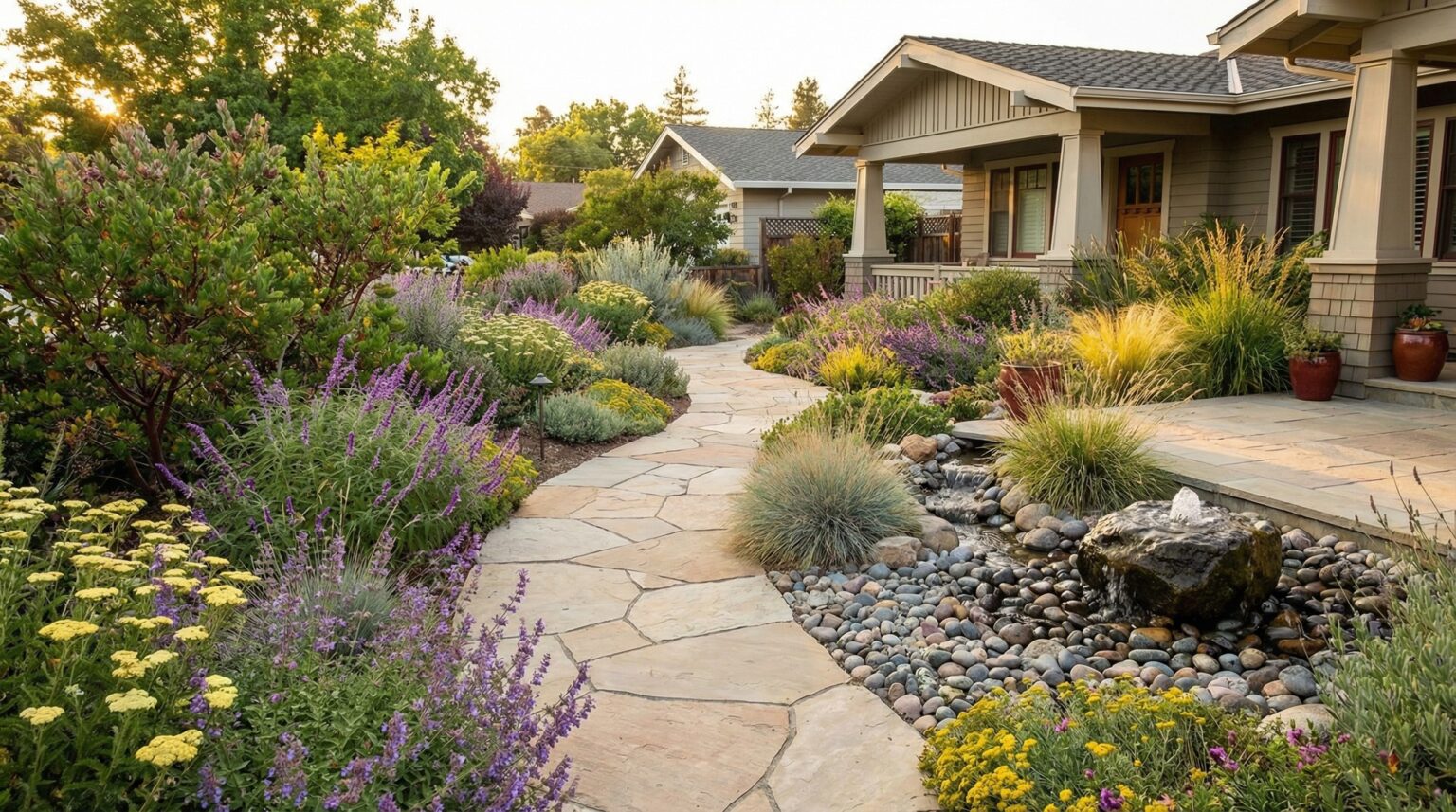
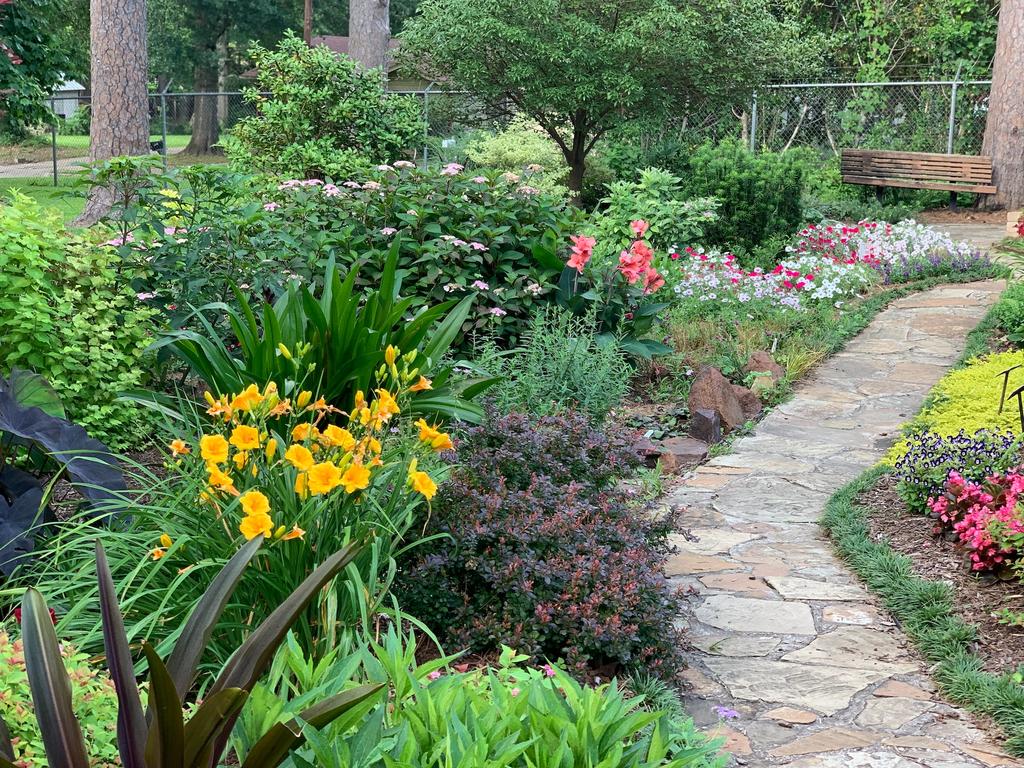
A layered planting around your trees — ground cover, native shrubs, small understory plants — more closely mimics the environments trees evolved in than a bare mulch ring surrounded by lawn. Research from urban forestry programs consistently shows that trees in biodiverse plantings have measurably better growth rates and stronger disease resistance than isolated lawn trees. You’re not just making the yard look better. You’re building a system that supports itself.
Medical Disclaimer: This content is for informational purposes only and does not constitute medical advice. Always consult a qualified healthcare professional before making health-related decisions.