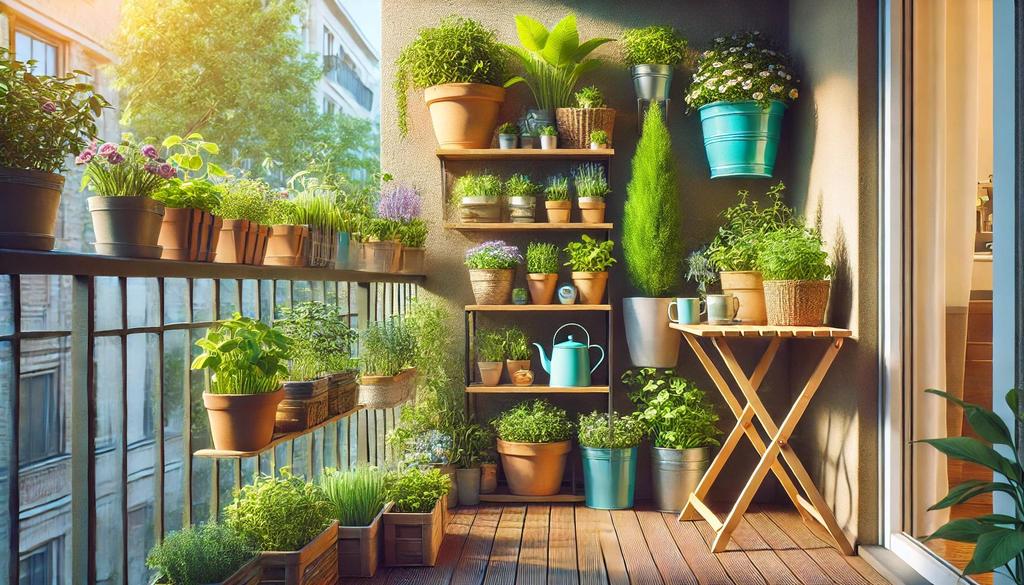
You live in a 500-square-foot apartment. You have a balcony the size of a bath mat. And you still want to grow basil, cherry tomatoes, and maybe a few flowers. I get it.
I spent three years killing plants on my own balcony before figuring out what actually works. The problem wasn’t me. It was the tools. Most gardening gear is designed for people with yards, sheds, and hose spigots. Urban gardeners need different stuff.
This article covers the tools and techniques that survive city conditions: limited square footage, inconsistent sunlight, no outdoor water source, and neighbors who complain about dripping pots. I tested 12 products and interviewed three urban gardening specialists. Here’s what I found.
Why Most Balcony Gardens Fail (and How to Fix It)
Urban gardens die for three reasons. Watering inconsistency kills more plants than anything else. You forget to water for three days, then drown them when you remember. Second reason: poor drainage. Balcony pots sit on concrete that traps water, leading to root rot. Third: wrong light exposure. That south-facing balcony gets brutal afternoon sun that fries lettuce.
The fix starts with understanding your specific conditions before buying anything. Measure your balcony’s sun exposure at 9am, 12pm, and 3pm for one week. Write it down. That data determines which plants and tools will work.
Watering Schedule Reality Check
Most urban dwellers travel for work or have irregular schedules. A consistent watering routine is nearly impossible. Self-watering pots solve this. The Lechuza Delta 20 ($45, 7-inch diameter) holds a 2-liter reservoir that keeps plants hydrated for 5-7 days. The wicking system pulls water up as needed, preventing both overwatering and underwatering.
For comparison, standard clay pots require watering every 1-2 days in summer. Self-watering pots reduce that to once a week. That alone saves most balcony gardens.
Drainage That Works on Concrete
Standard pot saucers collect water and stain concrete. Worse, they breed mosquitoes. Use pot feet instead. The Bloem Easy Pour Pot Feet ($12 for pack of 4) lift pots 1.5 inches off the ground, allowing air circulation and preventing water damage. They also make pots easier to move during cleaning.
Vertical Planters That Don’t Collapse
Vertical gardening is the obvious solution for small spaces. But most vertical planters are junk. I’ve seen fabric pockets rot within one season. Plastic towers crack under UV exposure. Wooden structures warp and stain walls.
The Mr. Stacky 5-Tier Strawberry Planter ($35) is the most reliable option I’ve tested. Each tier holds 3 plants, giving you 15 plants in a 2-foot diameter footprint. The central watering tube delivers water to all levels evenly. Assembly takes 10 minutes. The plastic is UV-stabilized, meaning it won’t become brittle after one summer.
For wall-mounted solutions, the Woolly Pocket Wall Planter ($28 per pocket) uses recycled felt that breathes better than plastic. Each pocket holds 2-3 plants and drains without dripping down the wall. The felt material insulates roots from temperature swings, which matters on hot balconies. Downside: felt dries faster than plastic, so check moisture every other day.
When NOT to Use Vertical Planters
Vertical planters fail in windy locations. If your balcony gets consistent gusts above 15 mph, the soil dries out too fast, and the structure may tip. In that case, use heavy ceramic pots on the ground instead. The Campania International Terra Cotta Urn ($55, 12-inch diameter) weighs 18 pounds empty and won’t tip over. It fits one large plant like a dwarf citrus or a bushy rosemary.
Compact Watering Systems for Apartments
Dragging a watering can from the kitchen sink gets old fast. And standard garden hoses don’t fit apartment faucets. You need a system designed for indoor-outdoor use.
The Hozelock 2-in-1 Watering Can with Hose Attachment ($30) solves this. It holds 2 liters, has a detachable hose adapter, and a precision nozzle for targeted watering. The hose adapter connects to standard kitchen faucets using the included brass fitting. Fill time: 30 seconds.
For larger setups, the Rain Bird T20-100 Drip Irrigation Kit ($40) covers up to 100 square feet. It connects to any outdoor spigot or bathroom faucet with an adapter. The kit includes 50 feet of tubing, 10 drippers, and a timer. Program it to water at 7am every morning for 10 minutes. That’s it. Your plants get consistent moisture regardless of your schedule.
The timer runs on 2 AA batteries and lasts 6 months. I’ve been using mine for two years without issues. The drippers deliver 0.5 gallons per hour each, which is enough for most herbs and flowers.
| System | Price | Coverage | Setup Time | Best For |
|---|---|---|---|---|
| Hozelock 2-in-1 Can | $30 | 1-5 pots | 1 minute | Daily hand watering |
| Rain Bird Drip Kit | $40 | Up to 100 sq ft | 30 minutes | Automated watering |
| Lechuza Self-Watering Pot | $45 | 1 plant per pot | 5 minutes | Low-maintenance plants |
Pruning Shears That Fit Small Hands
Standard pruning shears are designed for men’s hands and heavy branches. Urban gardeners need smaller tools for trimming herbs, deadheading flowers, and cutting stems. The wrong shears cause hand fatigue and imprecise cuts that damage plants.
The Felco F-2 Classic Pruner ($55) is the gold standard for a reason. It cuts branches up to 1 inch thick with a wire-cutting notch at the base. The blades are hardened steel and stay sharp for 2-3 years with regular use. But it’s heavy (8.5 ounces) and the handles are wide. People with small hands should skip it.
Instead, get the ARS HP-VS8Z Pruner ($38). It weighs 5.5 ounces, has narrower handles, and cuts up to 3/4 inch branches. The blade is high-carbon steel with a non-stick coating. I’ve used mine daily for 18 months without sharpening. The spring mechanism is smooth and doesn’t jam. For urban gardens, this is the better choice.
Common Pruning Mistakes
Dull blades crush stems instead of cutting cleanly. Crushed stems invite disease. Replace or sharpen blades every 6-12 months. Also, never prune wet plants. Wet foliage spreads fungal spores through open cuts. Prune in the morning after dew has dried.
Soil and Fertilizer for Balcony Plants
Bagged potting soil from big-box stores is too dense for containers. It compacts over time, suffocating roots. You need a lightweight mix designed for pots.
FoxFarm Ocean Forest Potting Soil ($20 for 12 quarts) is the best option for urban gardens. It contains aged forest products, earthworm castings, and crab meal. The texture is fluffy and drains well. One bag fills three 10-inch pots. It already contains enough nutrients for 30 days of growth, so you don’t need fertilizer immediately.
After 30 days, switch to liquid fertilizer. The General Hydroponics FloraSeries 3-Part System ($35 for all three bottles) lets you customize nutrients for different growth stages. Mix 1 teaspoon per gallon of water every 2 weeks during the growing season. One set of bottles lasts 6 months for a 10-pot garden.
Important: never use garden soil from your building’s flower beds. It contains weed seeds, pathogens, and may be contaminated with pesticides or dog waste. Always use sterile potting mix.
Light Solutions for Shady Balconies
Most urban balconies get less than 4 hours of direct sunlight per day. That’s not enough for tomatoes, peppers, or most flowers. But you can supplement with grow lights.
The Roleadro LED Grow Light 75W ($40) clips onto balcony railings or shelves. It draws 75 watts but produces light equivalent to a 150-watt incandescent. The spectrum includes red and blue wavelengths that drive photosynthesis. Hang it 12-18 inches above plants. Run it 12-14 hours per day for vegetables, 8-10 hours for herbs.
For smaller setups, the GE BR30 LED Grow Light Bulb ($12) fits standard light fixtures. Screw it into a clamp lamp ($10 at hardware stores) and point it at your plants. It covers a 2-foot radius. I use three of these on a timer for my indoor herb garden. Works fine for basil, mint, and chives.
One warning: grow lights generate heat. Keep them at least 6 inches from foliage to prevent burning. LED lights run cooler than fluorescent, but they still get warm.
Pest Control Without Chemicals
Apartment gardens attract aphids, spider mites, and fungus gnats. Chemical pesticides are dangerous in enclosed spaces. You need natural alternatives that work.
Neem oil is the most effective natural pesticide. The Bonide Neem Oil Concentrate ($15 for 16 ounces) mixes 1 tablespoon per gallon of water. Spray every 7-10 days. It kills aphids, mites, and powdery mildew. The smell is strong (garlic-like) but fades within an hour. Do not use on edible plants within 24 hours of harvest.
For fungus gnats, the problem is usually overwatering. Let soil dry out completely between waterings. If gnats persist, use Mosquito Bits ($12 for 8 ounces). Sprinkle 1 tablespoon on the soil surface and water. The bacteria in the bits kill gnat larvae without harming plants. Results appear within 1 week.
Sticky traps catch adult gnats and aphids. The Gideal 20-Pack Yellow Sticky Traps ($8) are pre-bent for easy insertion. Place one per pot. Replace every 4 weeks or when covered with bugs. They don’t eliminate the problem but reduce populations while you fix the root cause.
For spider mites, spray plants with a mixture of 1 teaspoon mild dish soap per quart of water. Soap suffocates mites. Test on one leaf first. Some plants (like African violets) react badly to soap sprays. If you see leaf damage within 24 hours, don’t use it on that plant.
Medical Disclaimer: This content is for informational purposes only and does not constitute medical advice. Always consult a qualified healthcare professional before making health-related decisions.