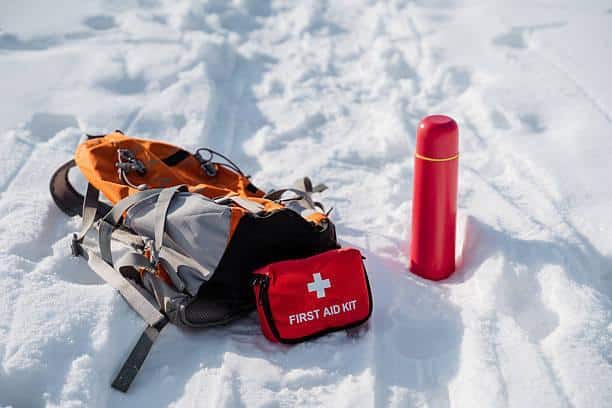
Weather safety resources determine how effectively individuals navigate environmental threats like flash floods or ice storms. Accessing vetted data allows households to shift from reactive fear to proactive preparation, ensuring that safety equipment and communication channels remain functional when primary infrastructure fails. High-quality preparedness transforms overwhelming climate events into manageable situations by providing a clear roadmap for action.
Strategic preparedness involves more than just checking a daily weather forecast; it requires a systematic approach to gathering survival supplies and understanding emergency notification systems. Integrating these professional recommendations into your routine establishes a resilient foundation that protects life and property during unpredictable climate shifts. Reliable information serves as the most critical component of any survival strategy, bridging the gap between uncertainty and decisive safety measures.
Metropolitan residents, particularly those navigating the top challenges encountered during its winter prep in regions like Atlanta, frequently confront logistical hurdles when temperatures plummet unexpectedly. Critical obstacles often involve procuring specialized equipment, identifying vetted notification streams, and engineering a customized response framework tailored to your specific architectural environment.

Understanding Emergency Notification Systems and Meteorological Alerts
Weather alerts provide advance notice of hazardous conditions before they impact your area. The National Weather Service issues specific watches and warnings for events like torrential rain, tornadoes, and severe winter storms. These notifications differentiate between potential threats, known as watches, and immediate dangers, categorized as warnings.
Selecting high-vulnerability notification channels ensures you maintain a constant stream of localized data regardless of regional infrastructure status. Modern technology offers several redundant systems to keep the public informed during rapidly changing atmospheric conditions.
- Wireless Emergency Alerts (WEA) deliver critical text-based notifications to mobile devices without requiring third-party applications.
- NOAA Weather Radio broadcasts continuous meteorological updates and emergency signals twenty-four hours a day.
- Local Broadcast Media serves as a vital source for detailed regional analysis and live situational reporting.
Diversifying your alert sources minimizes the risk of missing life-saving information due to power outages or network congestion. Establishing these connections today provides a significant advantage when environmental threats materialize without warning. Initial hazard detection serves as the catalyst for immediate action; however, successful mitigation depends entirely on the execution of pre-verified survival techniques.

Assembling a Comprehensive Survival Cache for Disaster Readiness
Severe meteorological events that compromise power grids and transportation routes necessitate a redundant survival cache to maintain household security. A comprehensive emergency supply cache ensures your household remains self-sufficient for a minimum of seventy-two hours.
Building a resilient survival cache requires careful selection of items that address basic physiological needs and safety requirements. A well-organized kit acts as a lifeline when standard services like clean water or electricity become unavailable.
- Potable water supplies (one gallon per person per day).
- Non-perishable food items with high caloric value.
- Professional-grade first-aid supplies and medication.
- Reliable flashlights accompanied by multiple sets of spare batteries.
- NOAA Weather Radio equipped with manual hand-crank or solar charging.
- Waterproof containers for essential identification and insurance documents.
- Insulated blankets or high-performance sleeping bags for temperature regulation.
- Sanitization products for maintaining personal hygiene in austere conditions.
- Adequate nutrition and hydration supplies for household pets.
Consolidating essential inventory into a single mobile unit facilitates rapid deployment during forced evacuations or sudden sheltering requirements. Regularly auditing your supplies ensures that every component remains functional and ready for immediate use.
Developing Strategic Family Safety Protocols for Environmental Crises
Executing a specialized family safety protocol ensures every household member remains informed of their specific duties during environmental volatility. Start by talking with your family about the risks in your location and where you will meet up if you get separated.
Developing a family safety protocol requires collaborative discussion to ensure every household member understands their specific role. Clear communication strategies eliminate confusion when traditional methods are compromised by severe weather events.
- Designate primary and secondary meeting locations both within and outside your immediate neighborhood.
- Establish a standardized communication chain to verify the safety of all relatives.
- Conduct regular practice drills to reinforce response times and navigational routes.
Reviewing these steps quarterly keeps the information fresh and allows for adjustments based on changing family dynamics. Proactive planning serves as the most effective tool for mitigating the stress associated with environmental emergencies. Maintaining a physical copy of your protocol reduces panic and streamlines decision-making when high-stress situations arise.

Maintaining Situational Awareness During Rapid Atmospheric Transitions
Consistent monitoring of vetted digital platforms allows you to track storm cells with high precision before they reach your vicinity. These official channels offer the most accurate data for evaluating regional safety risks. Vetted governmental portals and mobile interfaces serve as the gold standard for monitoring atmospheric volatility and regional risk variables.
- Configure mobile devices to prioritize government-issued emergency notifications.
- Utilize NOAA Weather Radio as a dedicated fail-safe for real-time hazard broadcasts.
Relying on these verified streams prevents the spread of misinformation and ensures your decisions are based on scientific data. Maintaining active situational awareness is a fundamental requirement for modern emergency preparedness.
Accessing Tactical Guidance for Specialized Weather Response Strategies
Vetted safety guides translate complex meteorological data into actionable steps that any individual can follow. These specialized resources provide a structured approach to surviving high-impact weather events.
- Flood safety guides offer specific instructions on identifying high ground and avoiding hazardous runoff.
- Severe thunderstorm protocols emphasize the importance of indoor sheltering during lightning and high-wind events.
- Winter storm checklists detail the necessary gear for preventing hypothermia and maintaining vehicle safety.
Implementing these proven strategies significantly reduces the risk of injury during a crisis. Understanding the technical requirements for each specific weather type ensures a versatile and effective response to any environmental challenge. Accessing these specific guides fosters composure and facilitates rapid, informed responses during environmental crises. A lot of weather safety resources have easy “what to do” guides for people of all ages.
Strengthening Community Resilience Through Proactive Weather Planning
Committing to a comprehensive safety strategy ensures that everyone remains capable of protecting loved ones during atmospheric crises. Transitioning from basic awareness to total preparedness involves a continuous cycle of updating supplies and reviewing emergency protocols to match evolving seasonal risks.
Prioritizing these habits builds a culture of safety that extends beyond individual households to stabilize entire neighborhoods during recovery efforts. Investing time into mastering these safety resources pays dividends when split-second decisions become necessary during severe storm events.
Empowering your household with the knowledge and physical tools required for survival creates a lasting sense of security that persists long after the clouds have cleared. Maintaining this level of readiness is an ongoing commitment to the well-being and longevity of your family.
Enhanced Insights and Tactical Guidance for Future Atmospheric Hazards
The conclusion of this workflow establishes a definitive roadmap for long-term safety and community stability. By integrating these professional standards into your daily routine, you move beyond simple survival and toward a state of total environmental readiness.
The following information addresses standard queries and provides further clarity on maintaining your preparedness posture.
Frequently Asked Questions Regarding Emergency Safety Protocols
What defines a primary weather safety resource?
Primary resources include official tools like NOAA Weather Radios, Wireless Emergency Alerts (WEA), and localized emergency management guidelines.
How often should emergency supply kits undergo inspection?
Review your cache every six months to replace expired food, water, and batteries while ensuring clothing remains size-appropriate.
Can I rely solely on mobile applications for alerts?
Mobile apps are useful, but secondary sources like battery-powered radios are essential if cellular towers fail during major disasters.
Where is the safest location during a tornado warning?
Seek shelter in the lowest interior room without windows, such as a basement, storm cellar, or reinforced central closet.
What is the most common mistake in family safety planning?
Failing to establish a secondary meeting location outside the immediate neighborhood is a frequent oversight that complicates reunification.