Walk into any grocery store and you’ll see shelves lined with “detox teas” and “fat-burning elixirs” that promise to melt belly fat while you sleep. Almost none of them work. The research on actual weight loss drinks is surprisingly clear: a handful of simple beverages can meaningfully support fat loss when used correctly. Here’s what the evidence says and exactly how to use each one.
Why Most “Weight Loss Drinks” Are a Waste of Money
The global detox tea market is worth over $4 billion. Almost every product in that category shares one thing in common: they rely on laxatives or diuretics to create the illusion of weight loss. You lose water weight and waste — not fat. Within 48 hours, it’s back.
Real weight loss drinks work through three mechanisms: appetite suppression, thermogenesis (increasing calorie burn), or blood sugar stabilization. Anything promising “rapid detox” or “flush toxins” is selling a feeling, not a result. Your liver and kidneys already handle detox. You don’t need a $50 tea blend to help them.
Here’s a quick comparison of what actually has science behind it:
| Drink | Primary Mechanism | Daily Dose | Evidence Grade |
|---|---|---|---|
| Green tea | Thermogenesis (EGCG + caffeine) | 2-4 cups | Strong — 12+ human trials |
| Black coffee | Appetite suppression + metabolism boost | 1-3 cups | Strong — meta-analyses confirm |
| Apple cider vinegar | Blood sugar stabilization | 1-2 tbsp diluted | Moderate — small but consistent effects |
| Ginger tea | Thermogenesis + satiety | 1-2 cups | Moderate — emerging research |
| Lemon water | Hydration + appetite filler | Unlimited | Weak alone — works as replacement |
| Protein shakes | Satiety + muscle preservation | 1 serving | Strong — especially pre-meal |
| Coconut water | Electrolyte replacement | 1-2 cups post-workout | Moderate — context dependent |
Green Tea: The Most Researched Fat Burner You Can Drink

Green tea contains a catechin called EGCG (epigallocatechin gallate) that, combined with its natural caffeine, can increase energy expenditure by roughly 4-5% over 24 hours. That’s about 80-100 extra calories burned per day — not dramatic, but meaningful when stacked with other habits.
How to maximize the effect
Brew it fresh. Bottled green tea drinks contain minimal EGCG and often add sugar. A 2012 study in the Journal of Nutrition found that participants who drank 4 cups of brewed green tea daily lost an average of 2.2 pounds more over 8 weeks than the control group. Matcha powder (which is ground whole green tea leaves) delivers about 3x the EGCG of bagged tea — 1 gram of matcha costs roughly $0.50 and provides 137mg of EGCG versus 40-50mg from a standard bag.
The catch: adding milk reduces catechin absorption by up to 20%. Drink it plain. If you hate the taste, a squeeze of lemon preserves the compounds and adds vitamin C.
Black Coffee — The Appetite Hack Most People Ignore
Coffee is the most widely consumed thermogenic beverage on earth, and the data is robust. A 2026 meta-analysis in the European Journal of Clinical Nutrition covering 17 trials found that coffee consumption increased metabolic rate by an average of 8-11% for 3-4 hours after drinking. That’s roughly 100-150 extra calories burned from two cups.
More importantly, coffee acts as an appetite suppressant. The chlorogenic acids in coffee slow glucose release into the bloodstream, which delays hunger signals. A study from 2026 showed that participants who drank black coffee 30 minutes before breakfast consumed 15% fewer calories at that meal.
The mistake most people make
Adding cream, sugar, syrups, or flavored creamers turns coffee from a weight loss tool into a calorie bomb. A Starbucks Grande White Chocolate Mocha has 470 calories and 52g of sugar. Black coffee has 2 calories. The difference is not subtle. If you need flavor, try a pinch of cinnamon or a teaspoon of unsweetened cocoa powder — both add antioxidants without wrecking the calorie math.
Limit to 400mg of caffeine daily (about 3-4 cups). Beyond that, cortisol spikes can actually encourage abdominal fat storage.
Apple Cider Vinegar — The Blood Sugar Stabilizer

This one gets called a “miracle cure” constantly, which makes it easy to dismiss. But the evidence is real, if modest. Acetic acid, the active compound in vinegar, slows starch digestion and reduces the glycemic response of carbohydrate-heavy meals by 20-30%.
A 2018 randomized trial in the Journal of Functional Foods gave participants 1 tablespoon of apple cider vinegar diluted in water before a high-carb meal. Their post-meal blood sugar was 34% lower than the placebo group. Lower blood sugar means lower insulin spikes, which means less fat storage — that’s the core mechanism.
How to use it safely
Dilute 1-2 tablespoons in 8oz of water. Drink it before meals, not after. Do NOT drink it undiluted — the acidity can erode tooth enamel and damage your esophagus. Rinse your mouth with plain water afterward. If you have gastritis, GERD, or take diuretics, skip this one entirely. The effects are small enough that it’s not worth the risk for some people.
Brand matters less than raw, unfiltered ACV with “the mother” — the cloudy sediment containing beneficial bacteria. Bragg’s is the most accessible brand at roughly $6 per 32oz bottle. But any vinegar with 5% acetic acid works the same way.
Ginger Tea — The Thermogenic Spice
Ginger contains gingerols and shogaols, compounds that increase body temperature and metabolic rate through a process called diet-induced thermogenesis. A 2019 study in Metabolism found that drinking 2 grams of ginger powder dissolved in hot water increased thermogenesis by 5% over 6 hours — roughly 40-50 extra calories burned.
The bigger benefit is satiety. Ginger delays gastric emptying, which means food stays in your stomach longer and you feel full for extended periods. Participants in a 2026 trial reported 12% less hunger 3 hours after a meal when they consumed ginger tea beforehand.
How to brew it for maximum effect
Use fresh ginger root. A 1-inch piece sliced and steeped in 2 cups of boiling water for 10 minutes delivers roughly 1.5g of active gingerols. Add a squeeze of lemon and a few mint leaves for flavor. Avoid honey or sugar — that adds empty calories. If you buy pre-made ginger tea bags, check the ingredient list. Many contain “natural flavors” but negligible actual ginger. Traditional Medicinals Ginger Tea ($5.50 for 16 bags) is one of the few with verified potency.
Protein Shakes — The Meal Replacement That Actually Works

Protein is the most satiating macronutrient. A 2026 systematic review in Advances in Nutrition found that replacing one meal per day with a protein shake led to an average of 8 pounds more weight loss over 12 weeks compared to dieting without shakes. The reason is simple: protein triggers the release of PYY and GLP-1, hormones that signal fullness to your brain.
Which protein to pick
Whey protein isolate is the gold standard — it’s rapidly absorbed and contains all essential amino acids. A standard serving (30g) costs about $0.80-1.20. Optimum Nutrition Gold Standard Whey ($64 for 5 pounds) is the most tested brand on the market. For vegans, pea protein isolate (like Naked Pea, $45 for 5 pounds) performs nearly identically in satiety studies.
The trick is timing. Drink a protein shake 30 minutes before your largest meal of the day. A 2026 study from the University of Leeds showed this reduced calorie intake at that meal by an average of 135 calories. Do that once daily, and that’s roughly 1,000 calories saved per week — enough to lose a pound every 3-4 weeks without changing anything else.
Lemon Water and Coconut Water — The Hydration Factor
Neither of these drinks directly burns fat. But they solve a problem that sabotages weight loss for most people: chronic dehydration. Even mild dehydration (losing 1-2% of body water) slows metabolism by 3-5% and increases hunger signals. Your brain confuses thirst with hunger about 60% of the time.
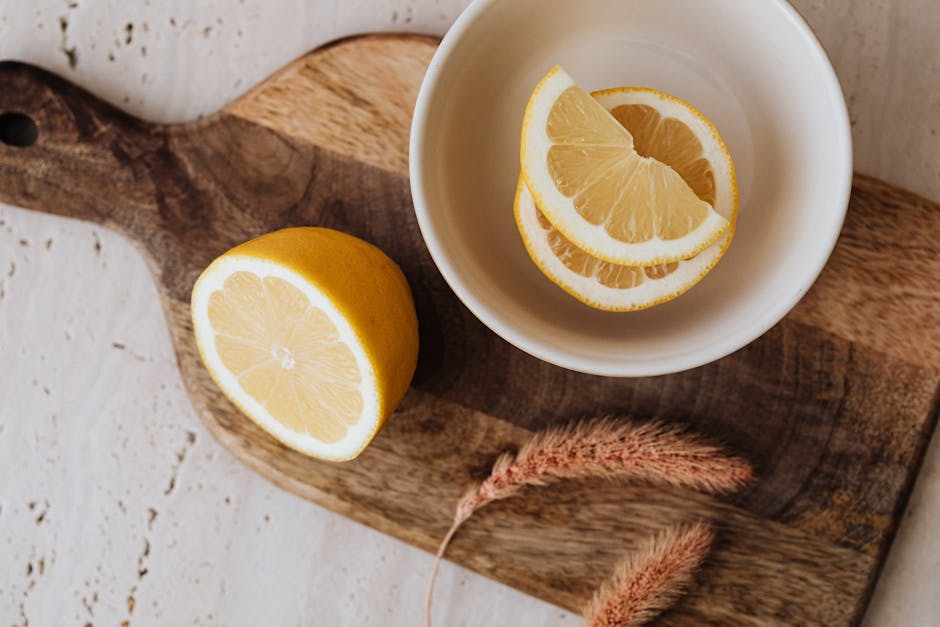
Lemon water is simply a way to make plain water more palatable. The vitamin C content is negligible (a squeeze of half a lemon provides about 6mg, or 7% of your RDA), but if it gets you to drink more water, it works. There is no evidence that lemon water “flushes toxins” or “alkalizes the body.” Those claims are marketing nonsense. Drink it because it tastes better than plain water, and because proper hydration supports every metabolic process in your body.
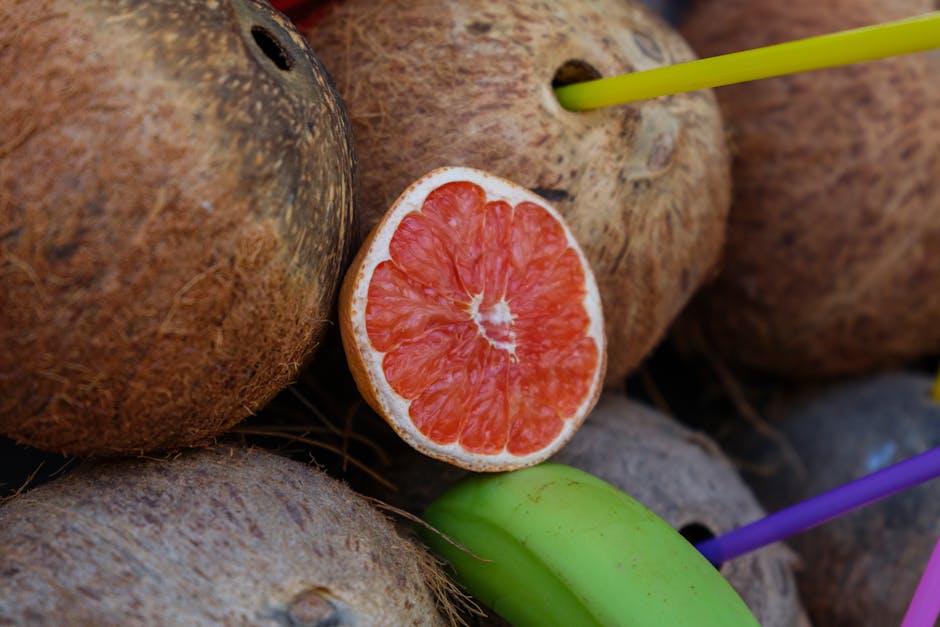
Coconut water shines post-exercise. A 2018 study in the Journal of the International Society of Sports Nutrition found that coconut water rehydrated participants as effectively as sports drinks after 60 minutes of exercise, but with roughly one-third the sugar. Vita Coco Pure Coconut Water ($3 per 16oz carton) contains 45 calories and 11g of sugar per serving — compare that to Gatorade’s 80 calories and 21g of sugar. Use it after workouts, not as a daily hydration habit. The calories add up if you drink it mindlessly.
The One Drink You Should Never Touch for Weight Loss
Diet soda. Yes, it has zero calories. But the research on its relationship with weight is consistently negative. A 2026 study in Cell Metabolism found that artificial sweeteners (sucralose, aspartame, saccharin) alter the gut microbiome in ways that increase glucose intolerance and insulin resistance. Participants who drank diet soda daily had a 67% higher risk of developing metabolic syndrome over 10 years compared to those who didn’t.
The mechanism isn’t fully understood, but the leading theory is that artificial sweeteners trick your brain into expecting sugar, then fail to deliver it. This disrupts the reward pathway and can increase cravings for real sugar later in the day. A 2026 meta-analysis of 12 trials found that people who drank diet soda consumed 11% more calories at their next meal than those who drank water.
If you need carbonation, try sparkling water with a squeeze of citrus. LaCroix, Topo Chico, and Spindrift all have zero sweeteners. Your gut microbiome will thank you, and your waistline won’t suffer for it.
Drink green tea or black coffee before meals, protein shakes before your largest meal, and water the rest of the day. That’s the entire playbook. Everything else is noise.
Medical Disclaimer: This content is for informational purposes only and does not constitute medical advice. Always consult a qualified healthcare professional before making health-related decisions.