Soursop Graviola Liquid: 7 Reasons It Outperforms Capsules
Soursop graviola has been used as medicine across the Caribbean, West Africa, and South America for centuries. Western supplement brands are finally packaging it seriously — but most still get the delivery format wrong. Here’s what the actual science says, and which products hold up.
What’s Actually Inside Soursop Graviola Leaves
Most supplement labels list “soursop leaf extract” and stop there. That tells you almost nothing. The real story is in the specific compounds — and whether they survived processing intact.
Annonaceous Acetogenins: The Compounds That Matter Most
Annona muricata (soursop) belongs to the Annonaceae plant family, which produces a class of compounds called annonaceous acetogenins. These are polyketide-derived natural products found almost nowhere else in the plant kingdom. Researchers have identified over 100 distinct acetogenins in soursop alone — bullatacin, annonacinone, and muricatacin being the most studied in published literature.
How they work: acetogenins selectively inhibit mitochondrial complex I, the first enzyme complex in the cell’s electron transport chain. In abnormal cells with unusually high energy demands, this disruption is particularly pronounced. Studies published in the Journal of Natural Products and the Journal of Ethnopharmacology have documented these mechanisms in cell and animal models across the past two decades.
The processing problem: acetogenins are heat-sensitive. High-temperature capsule manufacturing — standard in mass-market supplement production — degrades them substantially. Liquid extracts prepared at lower temperatures retain a significantly higher percentage of intact active compounds. This is not a marginal difference in efficacy. It’s often the difference between a product that does something and one that does nothing.
Alkaloids, Antioxidants, and the Complete Profile
Beyond acetogenins, soursop leaves contain coreximine, reticuline, and annomuricine — alkaloids with documented anti-inflammatory activity in published animal studies. The antioxidant profile is genuinely strong: soursop leaf extract has shown higher total phenolic content than many “superfruit” capsules sold at GNC or Whole Foods.
Vitamin C in soursop fruit runs about 20mg per 100g — modest alone. But in combination with acetogenins and alkaloids, the antioxidant effect compounds. Whole-spectrum liquid extract consistently outperforms isolated components from the same plant.
Why Source Region Affects Potency
Soursop grown in its native Caribbean or tropical South American environment produces higher acetogenin concentrations than cultivated specimens in non-native climates. The plant responds to environmental stress by increasing production of these defensive compounds. Look for extracts that specify origin region. Products that list a vague “proprietary blend” with no sourcing detail are a yellow flag — you have no way to verify acetogenin quality or consistency.
A quality standardized liquid extract will specify acetogenin content on the label. Generic leaf powder capsules almost never do, which means you’re flying blind on actual dosing from batch to batch.
Liquid vs. Capsule: The Absorption Gap
Bioavailability — the percentage of an active compound that actually reaches systemic circulation — varies dramatically by delivery format. For heat-sensitive compounds like soursop acetogenins, this is the deciding factor before anything else.
| Format | Onset Time | Bioavailability | Acetogenin Retention | Typical Price | Standardized? |
|---|---|---|---|---|---|
| Liquid drops (sublingual) | 15–30 min | High | High — cold-process extraction | $28–$40 / 4 oz | Often |
| Capsule (powdered leaf) | 45–90 min | Low–moderate | Variable — heat damage common | $15–$30 / 60 caps | Rarely |
| Capsule (standardized extract) | 30–60 min | Moderate | Moderate | $22–$45 / 60 caps | Sometimes |
| Tea / leaf infusion | 20–40 min | Moderate | Low — boiling water degrades acetogenins | $8–$20 | No |
Sublingual Delivery: How It Bypasses the Problem
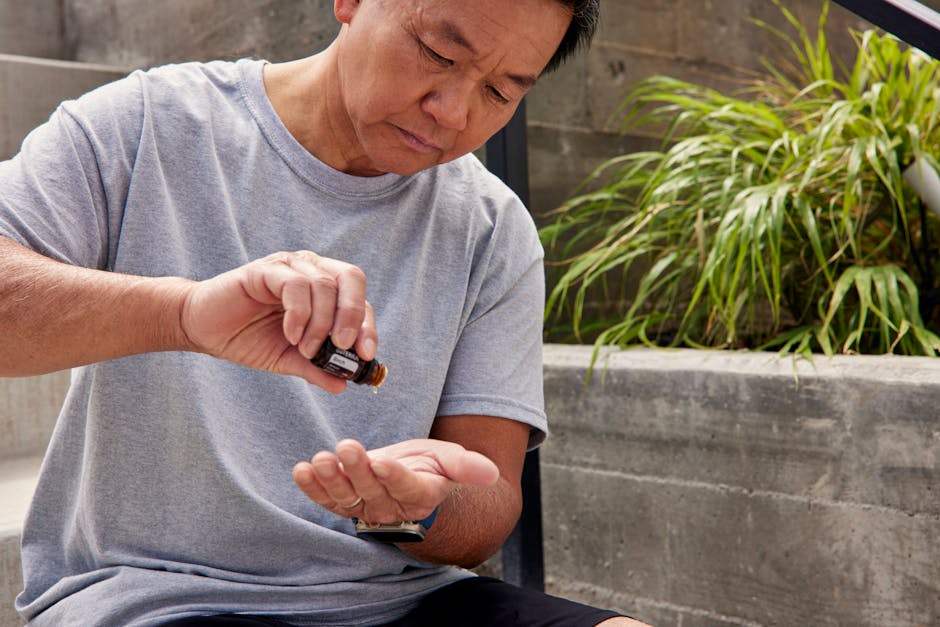
When you hold liquid drops under the tongue for 30–60 seconds, active compounds absorb directly through the sublingual mucosa into the bloodstream. This bypasses the digestive system and hepatic first-pass metabolism — the two main stages where oral capsules lose potency. For acetogenins specifically, more intact compounds reach circulation before the liver has a chance to modify them. That’s not a marginal gain. It’s a structural advantage.
What the Label Should Actually Say
Pure extract, natural flavor, sugar-free, gluten-free — that’s the baseline for any gut health product. Sucralose and maltodextrin in a bitters supplement are self-defeating: you’re feeding dysbiosis while claiming to fix it. The Soursop Graviola Liquid Drop at $33.28 for 4 fl oz clears all of these. Sugar-free, gluten-free, natural flavor, 4.5 stars from 2,291 verified reviews. At that review volume, you’re seeing sustained long-term buyer behavior — not a launch-week spike from incentivized reviewers.
Tip: When comparing soursop liquid products, ask directly whether acetogenin content is standardized and what extraction temperature is used. Most brands won’t answer clearly. That silence tells you something worth knowing before you buy.
5 Signs Your Gut Needs Bitter Support
Bitters stimulate bitter taste receptors (TAS2R family) distributed throughout the mouth and gut lining. This triggers the vagus nerve to upregulate digestive enzyme production, bile release from the gallbladder, and gastric acid secretion. If your gut is under-producing any of these, food doesn’t break down properly — and no probiotic capsule fixes that specific mechanism.
The Symptoms Most People Blame on Something Else
- Consistent bloating after moderate meals. Not after a massive dinner — after a normal lunch. Low stomach acid or insufficient bile output leaves carbohydrates and fats fermenting in the gut instead of being processed.
- Early satiety — feeling full before eating enough. Sluggish gastric emptying happens when digestive enzyme output is low. The stomach holds food longer because it can’t process it efficiently.
- Floating or greasy stools. Textbook sign of fat malabsorption. Bile emulsifies dietary fats for absorption; without enough bile, fats pass through largely undigested.
- Craving sour, fermented, or bitter foods. Your body compensates. Regularly craving kimchi, pickles, or raw apple cider vinegar is often your gut asking for acid support.
- Post-meal cognitive fog lasting 2+ hours. Poorly digested food fermenting in the small intestine produces compounds like lipopolysaccharides that cross into circulation and trigger neuroinflammation. That’s not tiredness — it’s a digestive failure signal.
Why Standard Gut Supplements Miss This Mechanism
Probiotics add microbes. Digestive enzyme supplements replace enzymes from outside the body. Bitters stimulate your own enzyme and acid production through a neurological pathway. If your system has the capacity to produce these compounds but has stopped being properly stimulated to do so, bitters address the actual mechanism — not a downstream symptom of it. That’s a meaningful clinical distinction that most supplement marketing ignores entirely.
Tip: Layer bitters with fermented foods. Bitters stimulate enzyme production through bitter receptor pathways; fermented foods improve microbial diversity through an entirely separate mechanism. They stack rather than overlap.
Dosage and Timing: The Questions That Actually Matter

How Much Soursop Liquid Should You Take Per Day?
Standard protocol for liquid drop formulas: 1–2 droppers daily, approximately 1 ml per dropper — roughly 30–60 drops depending on dropper calibration. Clinical herbalism consensus points consistently to daily moderate dosing over sporadic high doses. For bitter tonics specifically, consistent daily exposure produces better long-term enzyme upregulation than aggressive intermittent use.
Start at half-dose for the first week if bitters are new to you. Full-dose bitters trigger bile release and enzyme upregulation simultaneously, and some users experience temporary digestive shifts while the system recalibrates. Mild, temporary, but worth anticipating rather than being surprised by.
Morning or Evening — Timing Is Not Arbitrary
For digestive support, take drops 15–20 minutes before your largest meal. Bitter receptor stimulation peaks within that window and primes enzyme output before food arrives. For immune-focused use, morning on an empty stomach is the more consistent approach — gastric absorption is more predictable without food competing for uptake surface in the stomach and small intestine.
The Timeline for Real Results
Gut relief — reduced bloating, improved regularity — typically shows up within 2–3 weeks of daily use for most people. Immune effects are slower and harder to measure subjectively; the most commonly reported marker is fewer seasonal illness episodes after 6–8 weeks of consistent daily use.
If you’re running a proper 6–8 week trial, the iMATCHME 2-pack of soursop graviola drops at $33.28 for both bottles covers the full protocol without a reorder gap mid-course. Same formula, same 4.5-star rating — it removes the friction that breaks most supplement habits at the 4-week mark.
Tip: Track symptoms numerically. “Less bloated” is not usable data. “Bloating score dropped from 7 to 3 out of 10 over three weeks” is. A daily note takes 10 seconds and gives you something you can actually act on.
Sugar-Free, Gluten-Free: Not Marketing Copy
Most liquid supplements contain sucralose, maltodextrin, or glycerin as carriers — ingredients that actively undermine the gut environment you’re trying to improve. For anyone managing blood sugar instability, gut permeability issues, or autoimmune dietary restrictions, a supplement that skips all of these isn’t a feature. It’s the floor. The soursop drops reviewed here use natural flavor only, with no sweeteners or grain derivatives in the formulation.
Real Brands Worth Comparing Before You Buy

The soursop supplement market has a quality problem. A lot of what’s listed is underdosed, unstandardized, and overpriced for what it delivers. Here’s where things actually stand.
Brands Worth Looking At in This Category
Herb Pharm produces solid liquid herbal extracts in the $22–28 range for comparable volumes, but their soursop-specific formula doesn’t make standardized acetogenin claims. NOW Foods has soursop in capsule format (approximately $18–25 for 90 capsules) with reliable manufacturing controls, but you take the bioavailability hit inherent to capsule delivery. Gaia Herbs makes high-quality standardized liquid extracts across their product line but doesn’t currently carry a dedicated soursop graviola formula. Nature’s Way and Garden of Life both have strong manufacturing infrastructure but no soursop liquids in their 2026 lineup.
That gap at the top of the verified-review pile is real. 2,291 ratings at 4.5 stars is a meaningful data point — at that review volume, you’re reading consistent long-term buyer behavior, not a first-week launch anomaly.
What to Avoid Completely
| Red Flag | Why It’s a Problem |
|---|---|
| Fewer than 200 reviews, no standardization claim | No accountability for active compound levels between batches |
| Proprietary blend with no individual amounts listed | Acetogenins may be present at legal trace levels only |
| Artificial sweeteners in a gut health supplement | Disrupts the microbiome you’re trying to support |
| No raw material origin specified | Acetogenin potency varies significantly by growing region |
| “Soursop fruit” extract instead of leaf or bark | Acetogenins concentrate in leaves and bark — not the fruit flesh |
Generic private-label soursop products are the highest risk. Unstandardized leaf powder can vary in acetogenin content by 10x or more between production batches. You cannot run a consistent supplementation protocol on something that variable — the results will be inconsistent because the product itself is.
How to Build a Soursop Routine That Actually Holds
The most common reason supplements fail to produce results isn’t the formula. It’s inconsistent use. Here’s a structured approach that addresses the actual failure mode.
A Week-by-Week Introduction Protocol
- Week 1: Half dose, 15 minutes before dinner. Note any digestive shifts — mild changes in bowel frequency or bloating are expected and temporary as enzyme production ramps up.
- Weeks 2–3: Full dose, same pre-meal timing. Evaluate bloating reduction, satiety patterns, and regularity. This is your primary gut-health assessment window.
- Weeks 4–8: Maintain full dose. Begin assessing immune markers — frequency of minor illness, energy consistency, recovery quality after training.
Habit Anchoring: The Real Reason Most Supplement Routines Break
Attach your drops to an existing non-negotiable daily behavior. Morning coffee preparation. Lunch prep. Pre-dinner kitchen routine. The anchor behavior determines whether you actually take it. Supplements sitting in a cabinet produce no results regardless of formula quality.
Don’t introduce four new supplements at once. If you add soursop drops alongside several other new products simultaneously, you’ll have no way to isolate what’s producing results — and if anything causes a side effect, you’ll have no clean way to identify which product to stop.
The 4 fl oz soursop graviola liquid drop bottle gives you a clean 6–8 week evaluation window at standard dosing — enough supply to assess real results before committing to a larger quantity.
As clinical research into annonaceous acetogenins expands — and it is expanding, with new peer-reviewed trials actively in progress as of 2026 — dosing protocols will sharpen considerably. The category is moving from traditional folk use into evidence-based territory. That transition is already well underway, and the next five years of published research will change how these extracts are prescribed and used.
Medical Disclaimer: This content is for informational purposes only and does not constitute medical advice. Always consult a qualified healthcare professional before making health-related decisions.