
The fitness industry often exaggerates. One common claim is that you must consume protein within a specific, narrow “anabolic window” right after a workout. Many believe missing this window negates their efforts. This isn’t entirely accurate. While post-workout nutrition is important, the real science points to something more fundamental. Your total daily protein intake matters most. Consistency across the day drives muscle growth, not a frantic race against the clock. Think of protein powder as a convenient tool to hit those daily targets, not a magic bullet for a fleeting “window.” Choosing the right one makes this easier and more effective.
The Truth About Protein Absorption and Timing
Many gym-goers obsess over consuming protein shakes immediately after their last set. The idea is that muscles are primed for growth, and any delay means lost gains. This tight “anabolic window” concept, popularized in the 1990s, has been largely re-evaluated by modern sports science. While there’s a benefit to timely nutrient delivery, especially after intense exercise, the urgency is far less critical than once believed. The human body is remarkably efficient. It can protein effectively for several hours post-exercise. Your muscles remain sensitive to amino acids for up to 24-48 hours after a demanding workout. This means you have a much broader opportunity to refuel and recover. Prioritizing consistent protein intake throughout the entire day, every day, is a more effective strategy for muscle growth and repair than fixating on a 30-minute post-workout rush.
Why Daily Protein Intake Outweighs Timing
Muscle protein synthesis, the process by which your body builds new muscle, is an ongoing cycle. It requires a steady supply of amino acids. Missing protein immediately after a workout is less detrimental if your overall daily intake is sufficient and spread out. For most active individuals, aiming for 1.6 to 2.2 grams of protein per kilogram of body weight daily is a solid target. Reaching this target consistently ensures your body has the building blocks it needs, regardless of whether your shake is consumed at 5:01 PM or 5:31 PM. A balanced approach means distributing protein across all meals and snacks, ensuring a continuous supply. This fuels recovery, reduces muscle soreness, and promotes long-term strength and hypertrophy. Don’t stress the clock. Focus on the total.
Optimal Protein Sources Beyond Powder
Protein powder offers convenience, but it is not the only, or even necessarily the best, source of dietary protein. Whole foods provide a broader spectrum of nutrients, including vitamins, minerals, and fiber, which are crucial for overall health and performance. Lean meats like chicken breast (around 31g protein per 100g) and lean beef (26g per 100g) are excellent. Fish, such as salmon (20g per 100g) and tuna (25g per 100g), offer healthy fats alongside protein. Dairy products like Greek yogurt (10g per 100g) and cottage cheese (11g per 100g) are also strong contenders. For plant-based diets, lentils (9g per 100g cooked), chickpeas (8g per 100g cooked), tofu (8g per 100g), and tempeh (19g per 100g) provide significant protein. Integrating a variety of these whole food sources into your diet should be the foundation. Protein powder then serves as a flexible supplement to fill any gaps or for quick, on-the-go nutrition.
Understanding Different Protein Types: Whey, Casein, and Plant-Based

Selecting a protein powder starts with understanding the source. Not all protein is created equal when it comes to digestion speed and amino acid profile. Each type offers distinct advantages, making certain powders better suited for specific goals or dietary needs. The three primary categories are whey, casein, and plant-based proteins. Knowing the differences helps you choose effectively. Whey protein is a dairy-derived product, rapidly digested, making it ideal for post-workout recovery. Casein, also from dairy, digests slowly, providing a sustained release of amino acids. Plant-based proteins, sourced from peas, rice, or soy, offer alternatives for those avoiding dairy or following vegan diets, though their amino acid profiles can vary.
Whey Protein: Fast Absorption for Recovery
Whey protein is the most popular type, and for good reason. It’s a complete protein, containing all nine essential amino acids necessary for muscle repair and growth. Derived from milk during the cheese-making process, whey is quickly digested and absorbed by the body. This rapid delivery of amino acids to muscle tissue makes it an excellent choice for post-workout recovery, helping to kickstart muscle protein synthesis almost immediately. Whey comes in a few forms:
- Whey Concentrate: Typically 70-80% protein by weight, containing some lactose and fat. It’s generally more affordable.
- Whey Isolate: Processed further to remove most of the fat and lactose, resulting in 90% or higher protein content. This is a good option for those sensitive to lactose or looking for a leaner protein source.
- Whey Hydrolysate: Partially pre-digested, meaning the protein chains are broken down into smaller peptides. This allows for even faster absorption and can be beneficial for those with digestive issues or looking for maximum speed. It often has a slightly bitter taste and is more expensive.
For most individuals, a high-quality whey isolate or concentrate is perfectly sufficient for daily use and muscle support.
Casein Protein: Sustained Release Benefits
Casein protein is the other primary protein found in milk, making up about 80% of milk’s protein content, while whey accounts for the remaining 20%. Unlike whey, casein coagulates in the stomach, forming a gel-like substance. This slows down its digestion and absorption significantly. This slow, sustained release of amino acids into the bloodstream can last for several hours. This makes casein an excellent choice for periods when you’ll go long stretches without food, such as overnight or between large meals. It helps prevent muscle breakdown (catabolism) during these extended fasting periods. Bodybuilders often consume casein before bed to provide their muscles with a steady supply of nutrients throughout the night. It also contributes to satiety, helping you feel fuller for longer.
Plant-Based Options: What to Look For
Plant-based protein powders offer a viable alternative for vegans, vegetarians, or individuals with dairy allergies or sensitivities. Common sources include pea protein, brown rice protein, hemp protein, and soy protein. The primary consideration with plant-based options is their amino acid profile. While soy protein is a complete protein on its own, many other individual plant proteins (like pea or rice) are not. However, combining different plant protein sources, such as pea and rice protein, can create a complete amino acid profile, mimicking that of whey or casein. When choosing a plant-based powder, look for blends that specifically combine multiple sources to ensure you’re getting all essential amino acids. Also, check for third-party testing to ensure purity and absence of heavy metals, a concern sometimes raised with plant-derived products. Brands like Garden of Life and Vega offer well-regarded plant protein blends that address these concerns.
Top Protein Powders for Muscle Growth and Recovery
Choosing a protein powder from the vast market can be overwhelming. Many brands promise superior results, but few deliver consistent quality and value like the true leaders. We prioritize products that offer excellent protein content per serving, a complete amino acid profile, good mixability, and a reasonable cost. While many options exist, certain products have set a high standard for years, becoming benchmarks in the industry. These are the powders that consistently appear in top recommendations for their efficacy and reliability.
| Product Name | Protein per Serving | Calories per Serving | Carbs/Fat per Serving | Key Features | Estimated Cost per Serving (USD) |
|---|---|---|---|---|---|
| Optimum Nutrition Gold Standard 100% Whey | 24g | 120 | 3g Carbs / 1g Fat | Whey Isolate blend, BCAA rich, wide flavor range, excellent mixability. | $1.20 – $1.40 |
| Dymatize ISO100 Hydrolyzed Protein Isolate | 25g | 110 | 1g Carbs / 0.5g Fat | Hydrolyzed Whey Isolate for rapid absorption, very low sugar/lactose, ideal for strict diets. | $1.40 – $1.60 |
| Myprotein Impact Whey Isolate | 23g | 90 | 0.9g Carbs / 0.3g Fat | High purity whey isolate, minimal fat/carbs, good value, unflavored option. | $0.90 – $1.10 |
Optimum Nutrition Gold Standard 100% Whey: The Benchmark
Optimum Nutrition Gold Standard 100% Whey remains the perennial leader for good reason. It’s a blend of whey protein isolate, concentrate, and peptides, delivering 24 grams of protein per serving. This product consistently offers a superior balance of quality, taste, and value. Its amino acid profile includes over 5 grams of naturally occurring BCAAs (branched-chain amino acids) and over 4 grams of glutamine and glutamic acid per serving, critical for muscle recovery. It mixes incredibly well with just a shaker bottle and water, avoiding clumps. With a wide array of flavors like Double Rich Chocolate and Vanilla Ice Cream, it appeals to nearly every palate. For most people looking for a reliable, effective, and well-rounded protein powder, this is the default recommendation. Its consistent performance and widespread availability make it the true “gold standard.” A 5-pound tub typically costs around $60-70.
Dymatize ISO100 Hydrolyzed: For Faster Absorption
For those prioritizing speed of absorption or needing a virtually lactose-free option, Dymatize ISO100 Hydrolyzed Protein Isolate stands out. Each serving provides 25 grams of protein from hydrolyzed whey protein isolate and whey protein isolate. This formulation minimizes fat, sugar, and carbohydrates, making it an excellent choice for individuals on calorie-controlled diets or those with severe lactose intolerance. The hydrolysis process breaks down some protein chains, allowing for extremely rapid digestion and delivery of amino acids to muscles. Flavors like Gourmet Vanilla and Fudge Brownie are well-regarded for their taste despite the clean profile. It’s a premium product, often costing slightly more per serving than Gold Standard, with a 5-pound tub usually in the $70-85 range. This is a top pick for competitive athletes or those with specific dietary sensitivities.
Myprotein Impact Whey Isolate: Value and Purity
When budget and purity are key considerations, Myprotein Impact Whey Isolate offers exceptional value. This product delivers 23 grams of protein per serving, derived purely from whey protein isolate, meaning very low fat and carbohydrate content (less than 1 gram of each). It’s an ideal option for those who want a high-quality protein without unnecessary additives or for those on a strict macro-nutrient plan. Myprotein frequently runs promotions, making it one of the most cost-effective isolates on the market without compromising on quality. It’s available in many flavors, including unflavored for mixing into other foods or drinks. A 5.5-pound bag often retails for $50-65, making it a strong contender for anyone seeking a high-purity protein isolate at an excellent price point. It’s a no-nonsense choice that gets the job done efficiently.
How to Incorporate Protein Powder into Your Daily Routine

Protein powder is a versatile supplement. It can fit into almost any daily schedule. The key is to use it strategically to meet your overall protein goals, not just as a post-workout ritual. Think of it as a flexible tool. You might use it as a quick breakfast, a midday snack, or to boost the protein content of existing meals.
- Morning Kickstart: Blend a scoop into your oatmeal, smoothie, or even coffee for a protein-rich start. This ensures you’re hitting early protein targets.
- Post-Workout Fuel: Yes, a shake after training is still effective. Mix 1-2 scoops with water or milk for quick recovery.
- Mid-Day Hunger Control: A protein shake can be a convenient, low-calorie snack that keeps you full between meals, preventing unhealthy snacking.
- Meal Augmentation: Stir unflavored protein into soups, sauces, or pancake batter. It boosts protein without altering the taste significantly.
- Before Bed: A slow-digesting protein like casein, or even a blend, can provide sustained amino acid release overnight, supporting muscle repair while you sleep.
Beyond Shakes: Creative Uses
Don’t limit protein powder to just shakes. Its versatility extends to various culinary applications:
- Protein Pancakes/Waffles: Add a scoop to your favorite pancake mix for a higher protein breakfast. For example, use 1 scoop (about 30g) of Optimum Nutrition Gold Standard Vanilla Ice Cream flavor per cup of dry pancake mix.
- Baked Goods: Incorporate into muffins, cookies, or protein bars. This is a great way to make treats more nutritious. Use up to 1/4 cup of protein powder per cup of flour, adjusting liquid content as needed.
- Yogurt/Cereal Topping: Sprinkle unflavored or vanilla protein powder over Greek yogurt or high-protein cereal. This adds a texture boost and extra protein.
- Energy Bites: Combine protein powder with nut butter, oats, honey, and mix-ins like chocolate chips or dried fruit for easy, no-bake snacks. A common ratio is 1/2 cup protein powder, 1/2 cup nut butter, 1/4 cup honey, 1 cup oats.
Dosage and Frequency for Optimal Results
The “optimal” dosage varies based on body weight, activity level, and goals. Generally, most individuals benefit from 20-40 grams of protein per serving, 1-3 times per day. For a typical 70kg (154 lb) active adult aiming for 1.8g/kg, this means roughly 126g of protein daily. If your diet provides 80g, two scoops of protein powder (2x24g = 48g) would easily get you to your target. Distribute these servings strategically. A common pattern is one scoop post-workout and another as a snack or meal supplement. Listen to your body and track your total daily intake. Over-consumption of protein powder, beyond what your body needs, offers no additional benefit and simply adds unnecessary calories. Stick to the recommended serving sizes on the product label unless advised otherwise by a qualified health professional.
The Single Best Protein Powder for Most People
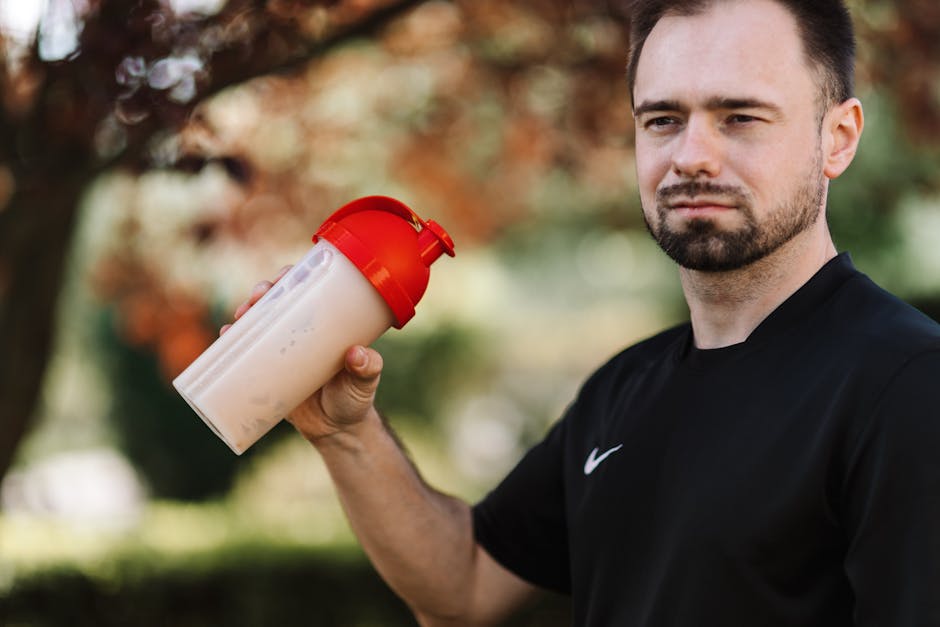
When all factors are considered — protein quality, taste, mixability, value, and brand reputation — one product consistently outperforms the rest for the vast majority of users. It is a product that delivers exactly what it promises, without unnecessary fillers or misleading claims.
The Optimum Nutrition Gold Standard 100% Whey is simply the most reliable and effective choice for general muscle building and recovery. Its blend of fast-digesting whey isolates and concentrates provides a complete amino acid profile, ensuring your muscles get what they need, quickly and efficiently. The wide range of consistently good flavors and its excellent mixability make it easy to consume daily. This isn’t just about marketing; it’s about a product that has stood the test of time and science, serving as the benchmark for quality in the supplement industry.
You no longer need to fear the mythical “anabolic window” or agonize over complex protein timing strategies. The path to building muscle effectively is clear: prioritize your total daily protein intake, consistently hit your targets, and choose high-quality sources. Protein powder, particularly a reliable option like Optimum Nutrition Gold Standard 100% Whey, acts as a powerful, convenient tool to help you achieve these goals. It simplifies hitting your protein numbers, letting you focus on your training and overall nutrition. Stop stressing the small details; start focusing on consistent, quality input. Your muscles will thank you.